What SLPs Need to Know:
Memory
15 min read
Noticing little changes in your memory as you get older? That’s expected- it’s part of the aging process. But what happens when those changes go beyond the usual forgetfulness? Memory deficits, whether mild or severe, are common after acquired brain injuries and can come on slowly with several progressive conditions.
Memory is so susceptible to damage because it’s complex and uses many parts of the brain, often together. When patients want to improve their memory, we need to pinpoint exactly what they’re struggling with. Are they having trouble remembering past events, tasks for tomorrow, or new information?

Speech-language pathologists can help patients with memory impairments using evidence-based techniques, but before we begin treatment, it’s important to understand how memory works.
Memory Stores: From Input to Retrieval
Atkinson and Shiffrin proposed a “multi-store” model of memory in the 1960s that focuses on three types of “memory stores”- sensory memory, short-term memory, and long-term memory. Even though it’s an older model, the multi-store model provides a useful framework for understanding basic processes. Camina & Guell (2017) summarized each memory store and their subtypes:
Learn more about executive functions like working memory in What SLPs Need to Know: Executive Functioning
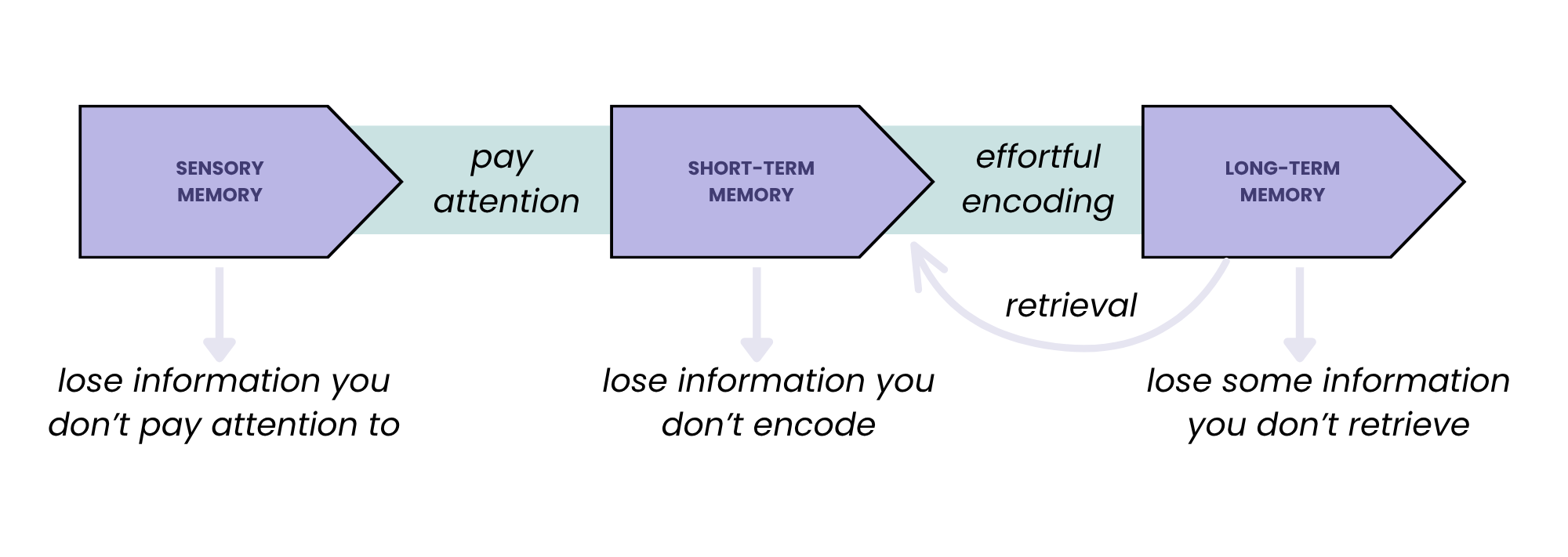
Remembering the Future
Prospective memory is about remembering to do something in the future or fulfilling an intention. There are two types of prospective memory: event-based (e.g., remembering to pick up groceries after work) and time-based (e.g., remembering to take medication at 9:00)(Soda et al., 2026). Prospective memory involves elements from multiple memory stores. Retrospective memory looks backward, while prospective memory looks forward, and both play crucial roles in daily functioning.
Looking for Printable Handouts?
We’ve got you covered.
Hundreds of high-quality, well-researched PDF handouts are available all in one place: The Tactus Virtual Rehab Center!
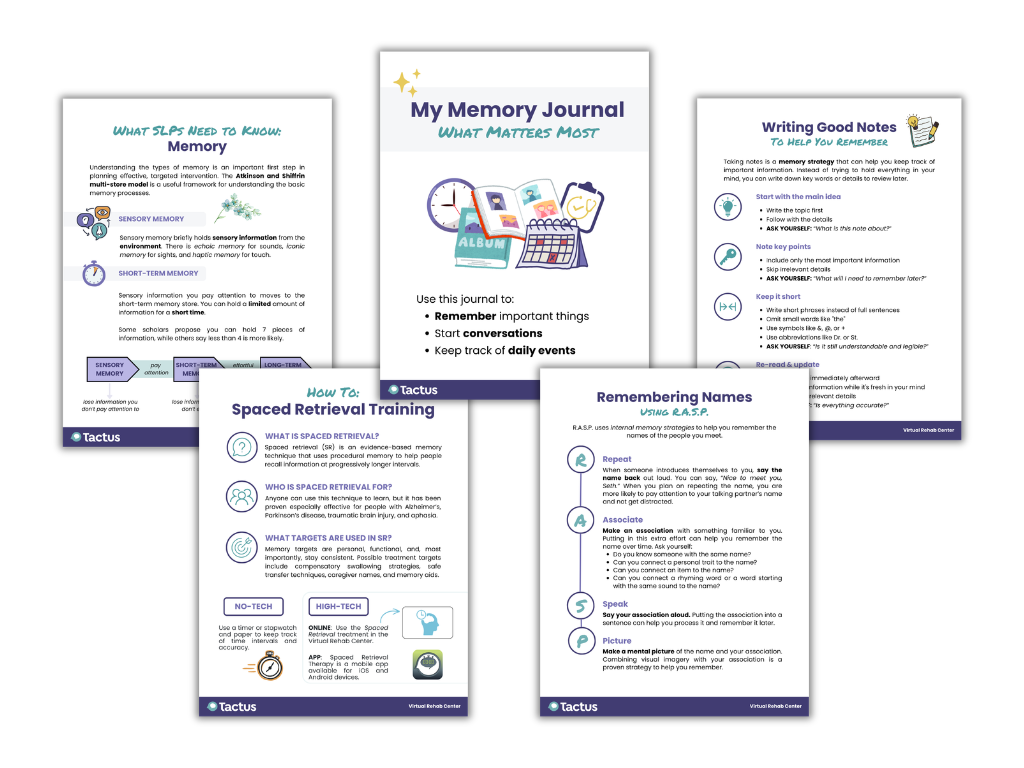
There are patient education handouts, strategy lists, a memory journal, & a summary of this article for quick reference – all about memory!
Sign up today for a risk-free 21-day trial of this innovative web-based therapy platform for SLPs.
Access dozens of evidence-based interactive digital treatments created specifically for adult medical speech pathologists.
Assessing Memory
Before beginning treatment for memory, you must assess the problem. Memory problems can arise suddenly, as in the case of a traumatic brain injury, or they can come on slowly, as with dementia. Understanding the types of memory affected and the functional impact are equally important.
PROMs for Memory Loss
You can use patient-reported outcome measures (PROMs) to better understand the impact of memory loss on daily life:
- Multifactorial Memory Questionnaire (FREE)
- Everyday Memory Questionnaire- Revised – (FREE)
- Everyday Memory Survey ($$)
Memory Tests
The Rivermead Behavioural Memory Test 3rd edition is a standardized test that specifically examines memory. Other cognitive test batteries include memory subtests, such as the Cognitive-Linguistic Quick Test Plus. The free Functional External Memory Aid Tool 2.0 (FEMAT) is a newer tool to evaluate memory strategy use.
Other Considerations
When assessing for memory impairment, clinicians must also consider overlapping processes like language, attention, and executive function. An apparent memory problem may reflect or be amplified by deficits in these other areas.
Lifestyle factors also play a big role in memory. While a diagnosis such as traumatic brain injury or dementia can explain memory impairments, other factors such as vitamin deficiency, substance use, sleep disorders, hormonal changes, and medication side effects can play a big role. Cohen et. al. (2026) offers a tutorial on the speech pathologist’s role in promoting brain health.
Choosing a Memory Therapy Approach
Goals for memory treatment will vary based on the etiology and expected progression. For patients recovering from an acquired brain injury, like TBI, the therapist might use a combination of restorative and compensatory approaches to maximize independence. Restorative approaches traditionally use a drill-and-practice approach (Gopi et al., 2022). But improvement on a trained task does not necessarily equate to improved everyday memory, and functional memory can improve when compensatory approaches are incorporated consistently.
For patients with a progressive disease like Alzheimer’s or Parkinson’s, we wouldn’t expect speech therapy to reverse the disease process. The goals may focus more on stimulating cognitive abilities for brain health, reducing the level of assistance needed, or improving quality of life. These goals can best be accomplished through strategy implementation, errorless learning, and caregiver training.
Treating Moderate-Severe Memory Loss
Many evidence-based approaches for moderate-to-severe memory impairment leverage the patient’s strengths to compensate for weaker areas. They can be used with patients with acquired or progressive illnesses.
External Memory Aids
External memory aids can be used with individuals with memory deficits of all severities, including moderate-severe. In fact, most healthy adults rely on external aids (both physical and digital) like calendars, notebooks, and smartphones to manage daily tasks. Radnan et al. (2023) reported that both younger and older healthy adults use external strategies more than internal strategies for “cognitive offloading.” So external aid training shouldn’t be a last-resort therapy approach; it’s practical, realistic, and effective for a variety of memory targets.
Taking Notes
A Writing & Memory Treatment
Log in to the Virtual Rehab Center to use Taking Notes, a functional way to practice the complex skill of writing for memory.
Patients listen to a voicemail, lecture, or other functional audio, then take notes on key points.
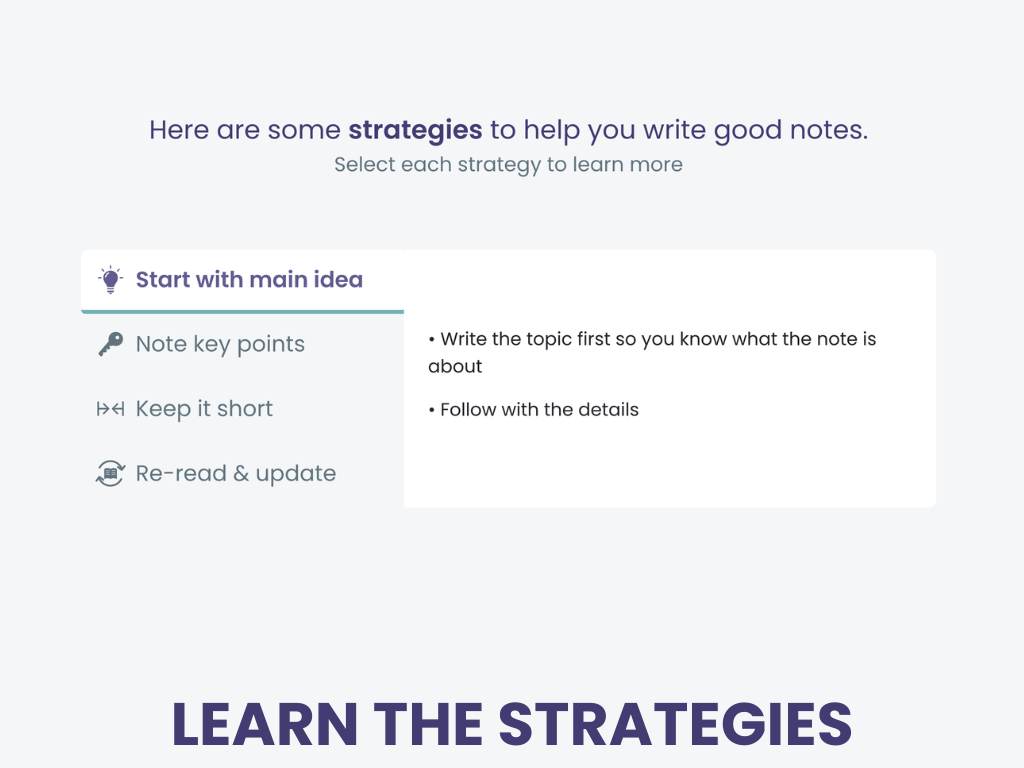
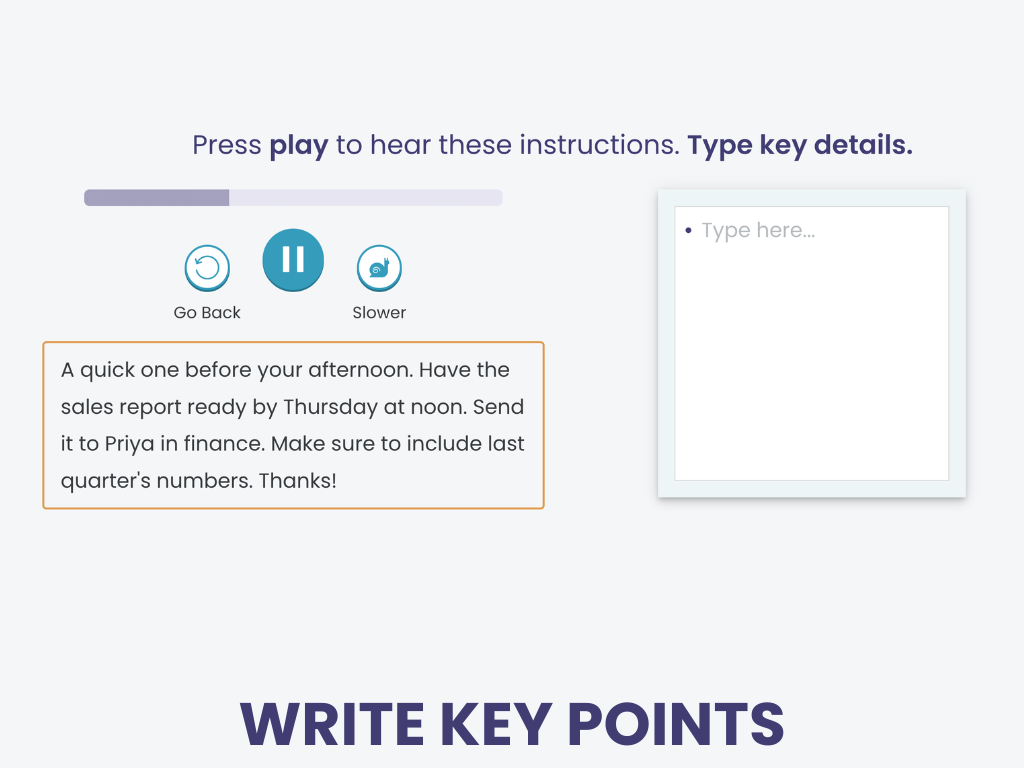
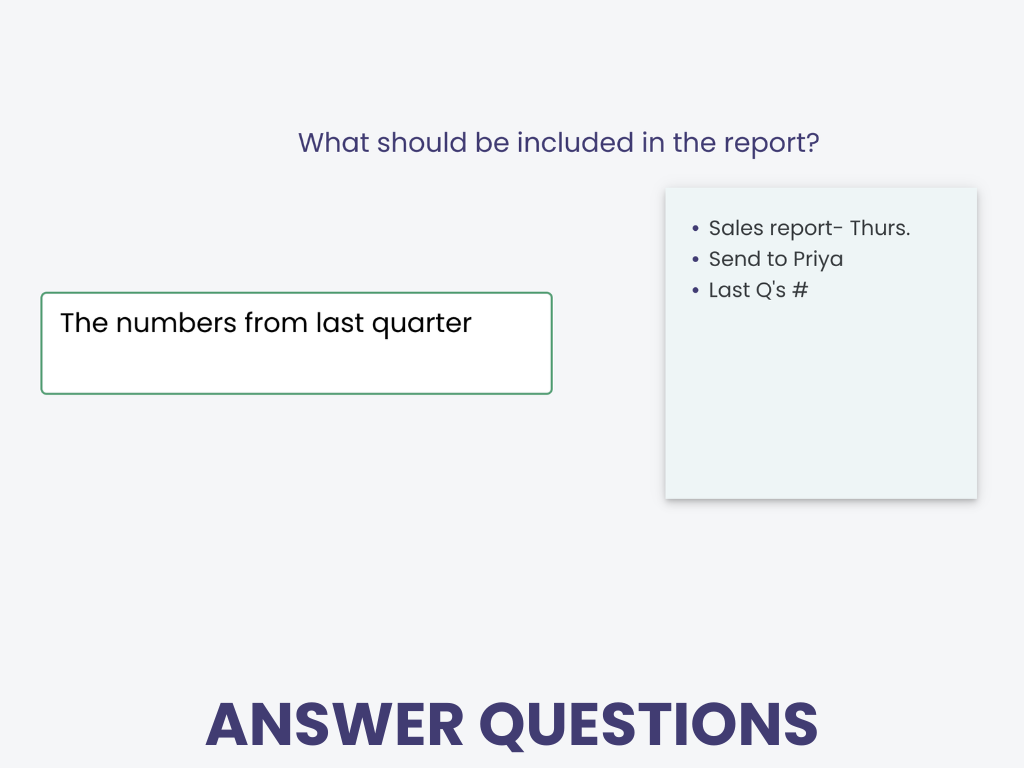
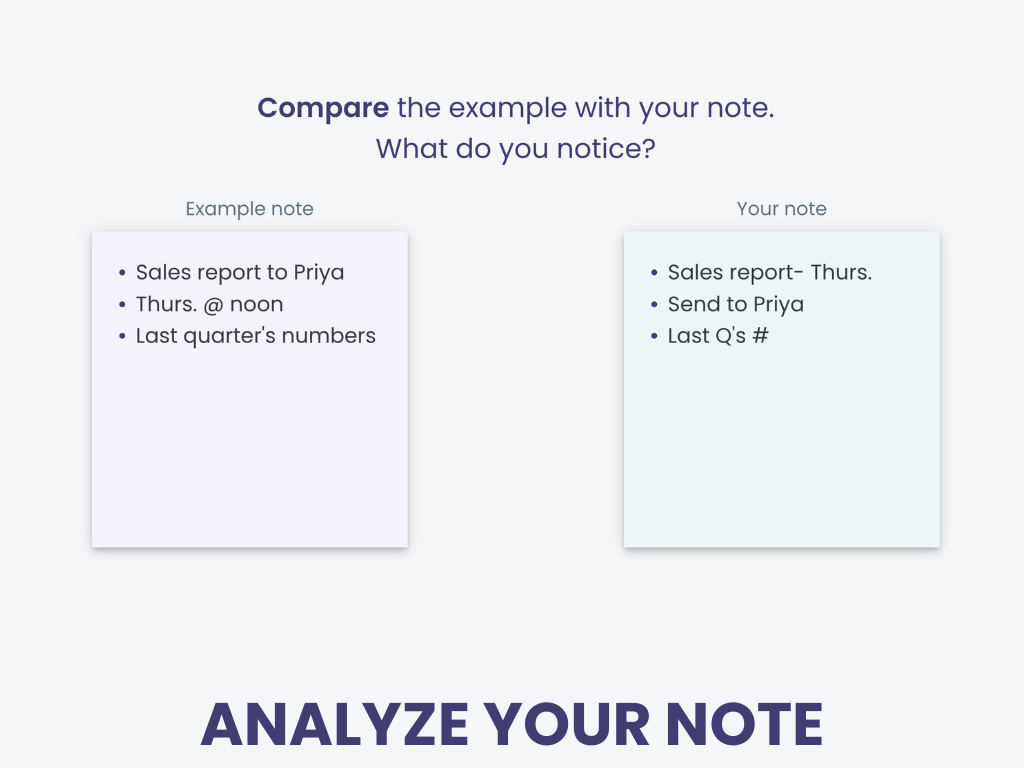
They can use their notes to answer questions, then reflect on whether the note was effective.
Sign up today for a risk-free 21-day trial of this innovative web-based therapy platform for SLPs.
Patients and caregivers should both be trained to use these aids, especially in cases of severe impairment. It is important to consider the person’s age, severity, cognitive strengths and weaknesses, physical impairments, familiarity, availability, and cost when selecting an external memory aid (Velikonja et al., 2023). The biggest challenge with external aids is that patients need to remember to use them at the right time. This is where errorless learning can come into play.
Errorless Learning
Errorless learning is used to teach unchanging information, procedures, or behaviors, like the use of a strategy or a spouse’s name. It involves stating information or demonstrating a procedure, then prompting the person to repeat it until they can recall it on their own. Don’t expect generalization to untrained targets, so choose the targets thoughtfully.
Errorless learning contrasts with errorful learning, in which a person is asked to answer or demonstrate a procedure without first being told or shown, which could result in an incorrect response. Individuals with impaired memory might recall an incorrect answer they gave based on Hebbian learning principles, so errorless learning can help avoid learning untrue information.
That being said, errorful learning does have a place in memory rehabilitation. The “generate-and-correct” approach has been shown to improve recognition memory in individuals with chronic brain injury in a recent study (Briscoe et al., 2024). Immediate corrective feedback can support the direction of attentional resources and encoding information.
Practicing Meaningful Words is a customizable treatment coming soon the Virtual Rehab Center to work on 10 words at a time using errorless learning.
Spaced Retrieval Training
Spaced Retrieval is a specific errorless learning technique that helps lock information into long-term memory by using repetition over increasing periods of time. The patient first repeats the answer, then answers again at 15 seconds, then 30 seconds, then 1 minute, all the way up to 16 minutes. Recalling information after a 16-minute delay is a practical threshold for consolidating information into long-term memory (Vance et al., 2010; Small & Cochrane, 2020). If the patient answers incorrectly, they would fall back to the previous time interval.
Spaced retrieval can be effective for people with dementia by potentially reducing undesired behaviors like wandering or perseveration. It can also support participation and social interaction by reinforcing the information or actions needed to engage in activities and conversations. It leverages implicit memory, a domain that’s more preserved than explicit memory in Alzheimer’s disease (Small & Cochrane, 2020). Other memory-impaired populations can benefit from this evidence-based technique as well, like people with TBI (Velikonja et al., 2023). In fact, it can even be used by people with unimpaired memory to learn new information or study for a test!
Spaced Retrieval
Memory Over Time
Spaced Retrieval is an evidence-based memory treatment inside the Tactus Virtual Rehab Center.
Create personalized memory targets and track progress over time.
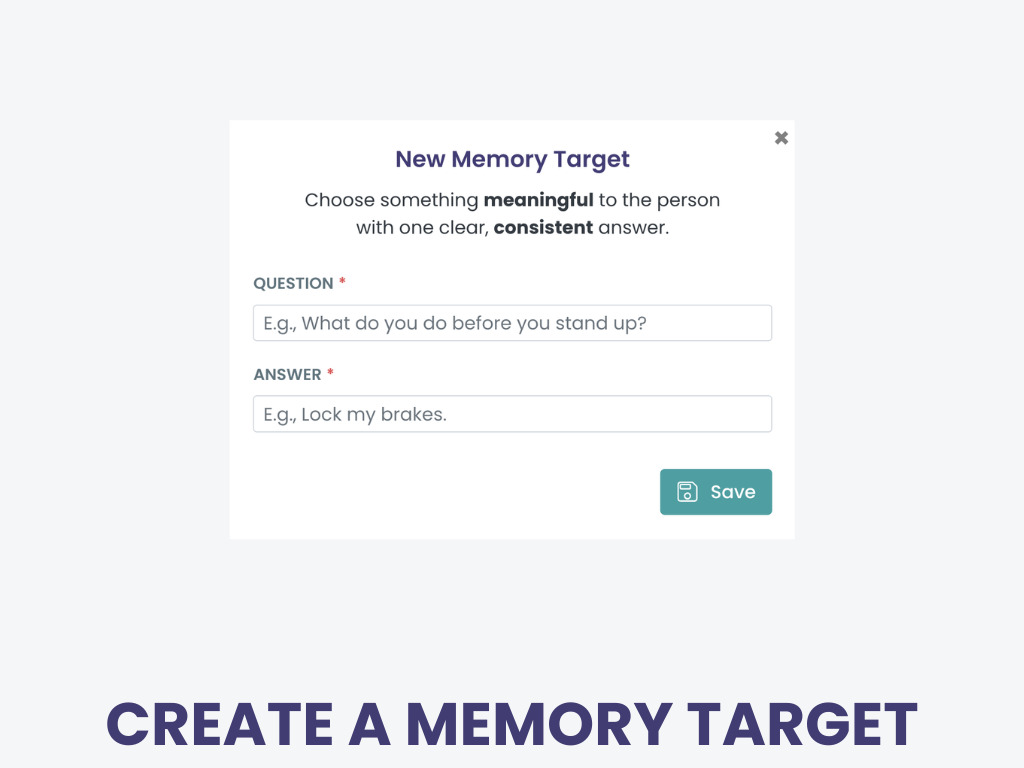
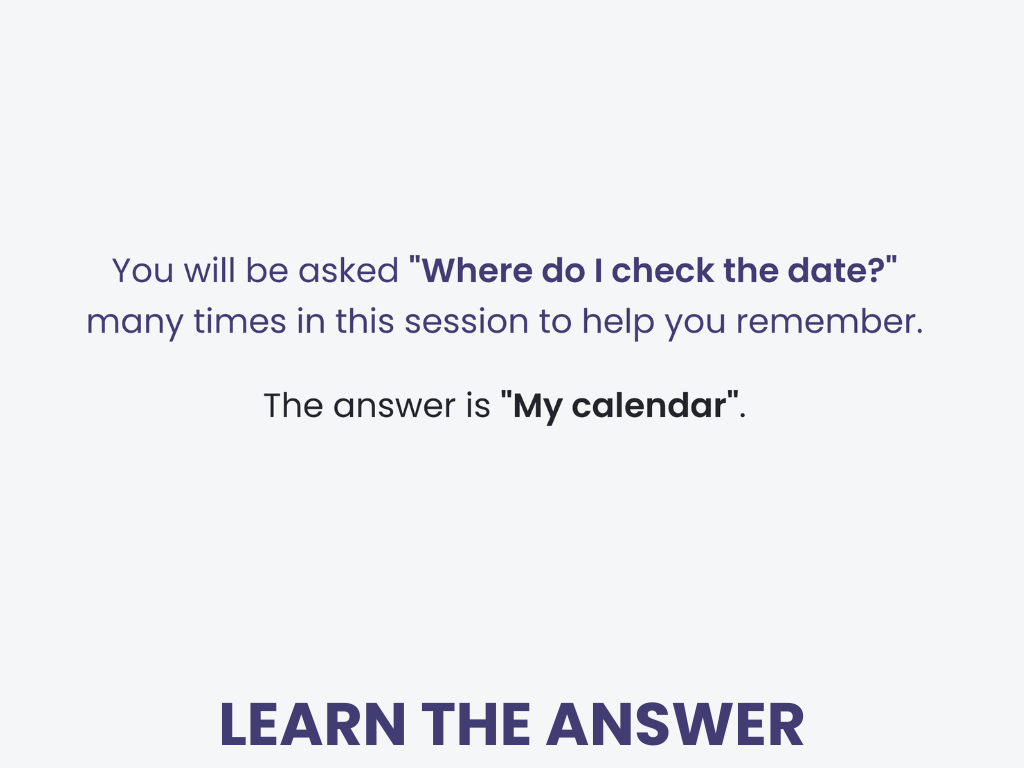
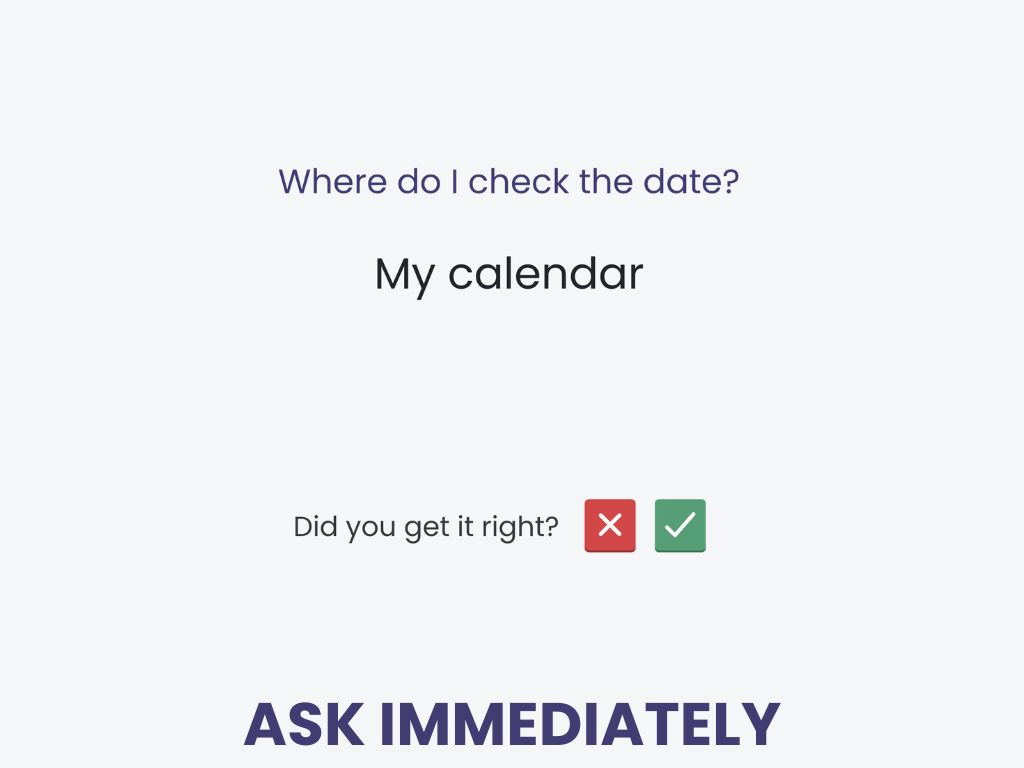
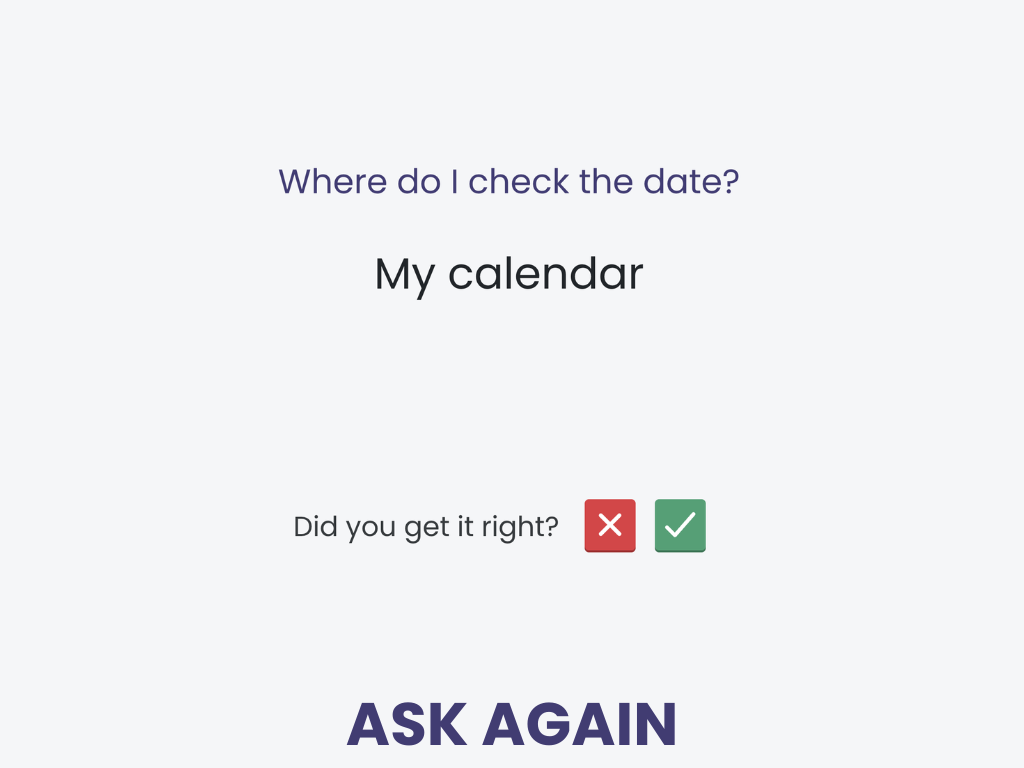
Get prompts for when to ask again, doubling the interval between correct recollections.
There are even games to play between repetitions!
Sign up today for a risk-free 21-day trial of this innovative web-based therapy platform for SLPs.
Treating Mild-Moderate Memory Loss with Internal Memory Strategies
Teaching internal memory strategies is a strong evidence-based treatment for individuals with mild-to-moderate memory impairment (Velikonja et al., 2023). Using internal memory strategies involves intentional and deep processing to help encode information. This technique requires a degree of self-awareness, self-monitoring, and self-regulation, which is why it’s not recommended for more severe impairments (Gopi et al., 2021).
Strategies can be taught in an individual or group format. In a study of stroke survivors, participants reported how important it was to connect with others who had similar experiences and memory challenges (Withiel et al., 2018). In fact, those who received group training reported greater subjective memory improvements in their daily lives compared to those who focused on a restorative approach.
Many memory strategies have research to support them, but that doesn’t mean they’re practical for all patients. Some strategies, such as the method of loci and the peg method, are complicated for healthy adults, let alone someone with a brain injury.
Before teaching your client every possible strategy, think about what they need to remember. Are they losing their keys? Do they forget appointments? Are they remembering the plot of their romance novel? This information should dictate which strategies to focus on in therapy. Let’s review some more practical internal memory strategies.
Internal Memory Strategy: Visual Imagery
Visual imagery (or visualization) is the most frequently studied association technique, likely because it can be used for a variety of memory targets (O’Neil-Pirozzi et al, 2016). It requires patients to form mental pictures of information, whether the information is visual (like a textbook) or non-visual (like a conversation or actions). Visual imagery can be combined with other techniques for maximum benefit, such as the story method, where you connect pieces of information by weaving them into a simple (often unusual and humorous) story. The key to success is encouraging patients to generate their own prompts, because if they rely on someone else, they probably won’t use imagery in their daily lives.
Kaschel et al. (2002) compared visual imagery with other internal and external memory strategy training in participants with mild memory impairment. The imagery group demonstrated significant improvements on story-recall tasks and subjective improvements in daily life, according to their relatives.
Picture Recall is a treatment coming soon the Virtual Rehab Center to work on basic visual memory skills.
Internal Memory Strategy: Association
Association involves connecting two or more items together to help encode information. It’s helpful to link something familiar with something new. This technique is commonly used to help recall people’s names. For example, if you meet a new person named Michael, you might associate them with Michael Jordan to help you remember.
Remembering Names
Using the RASP Strategy
Remembering Names is a treatment that teaches memory strategies in the Tactus Virtual Rehab Center.
The natural sequence guides patients through how they can better encode and recall names in real life.
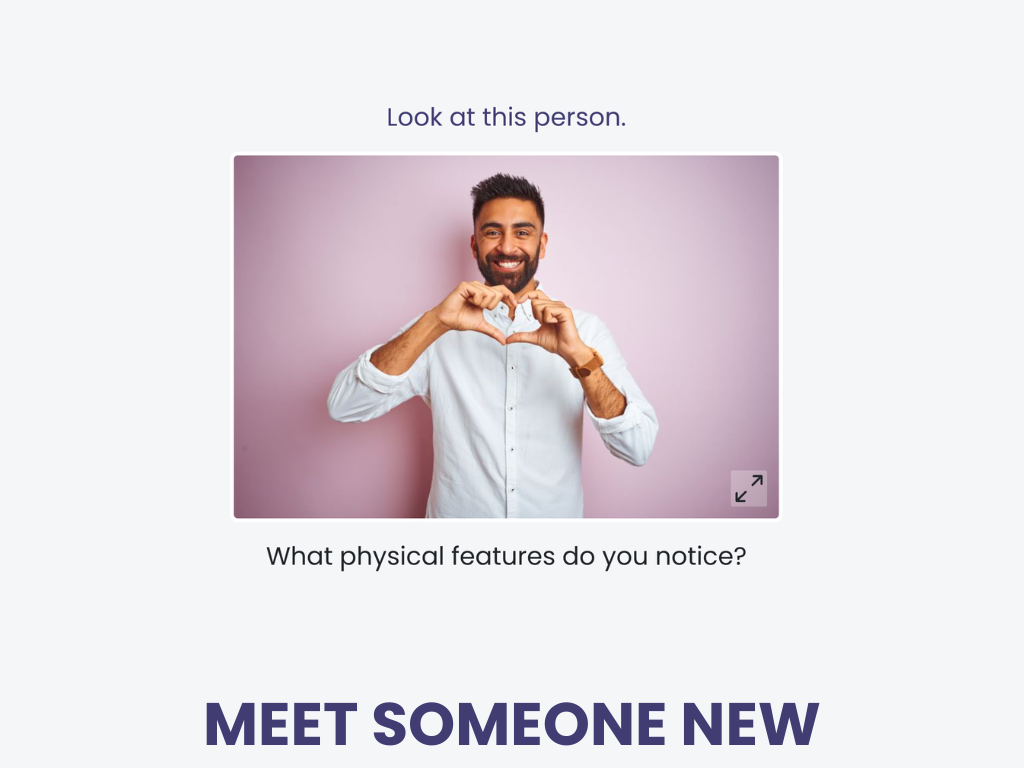
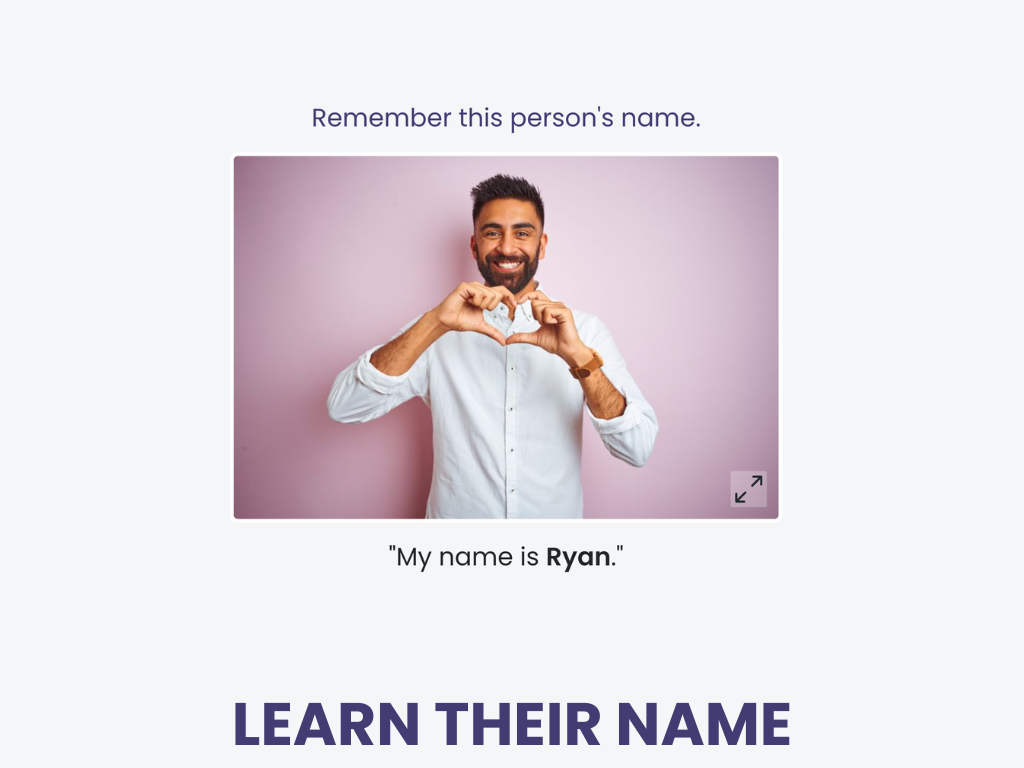
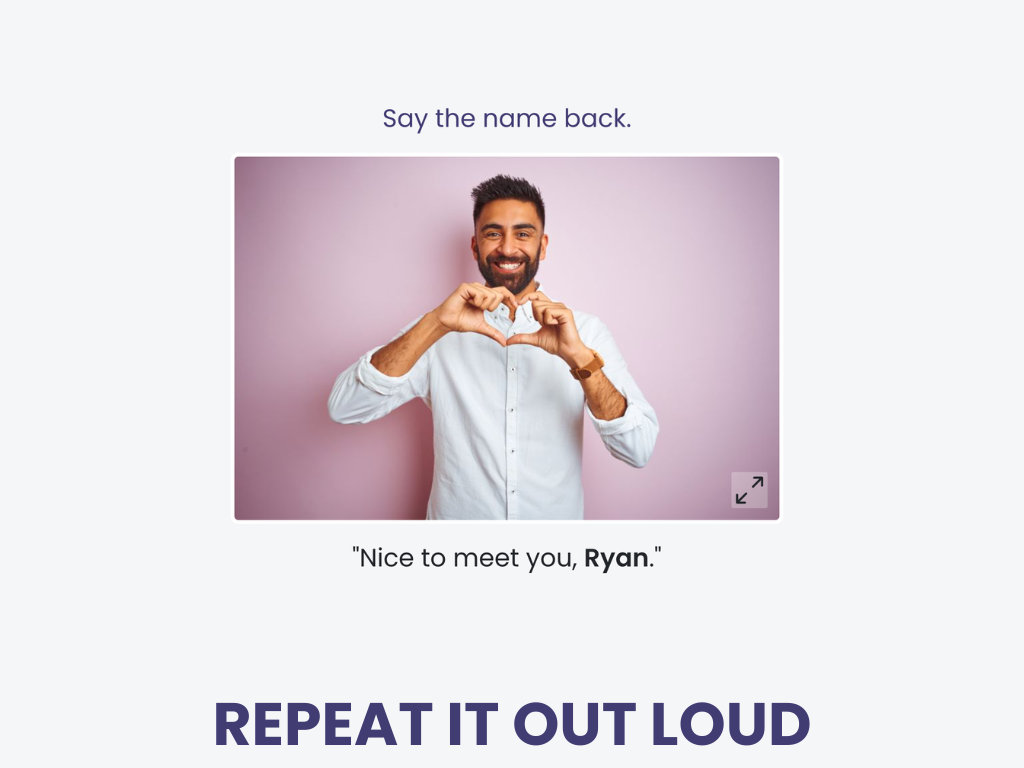
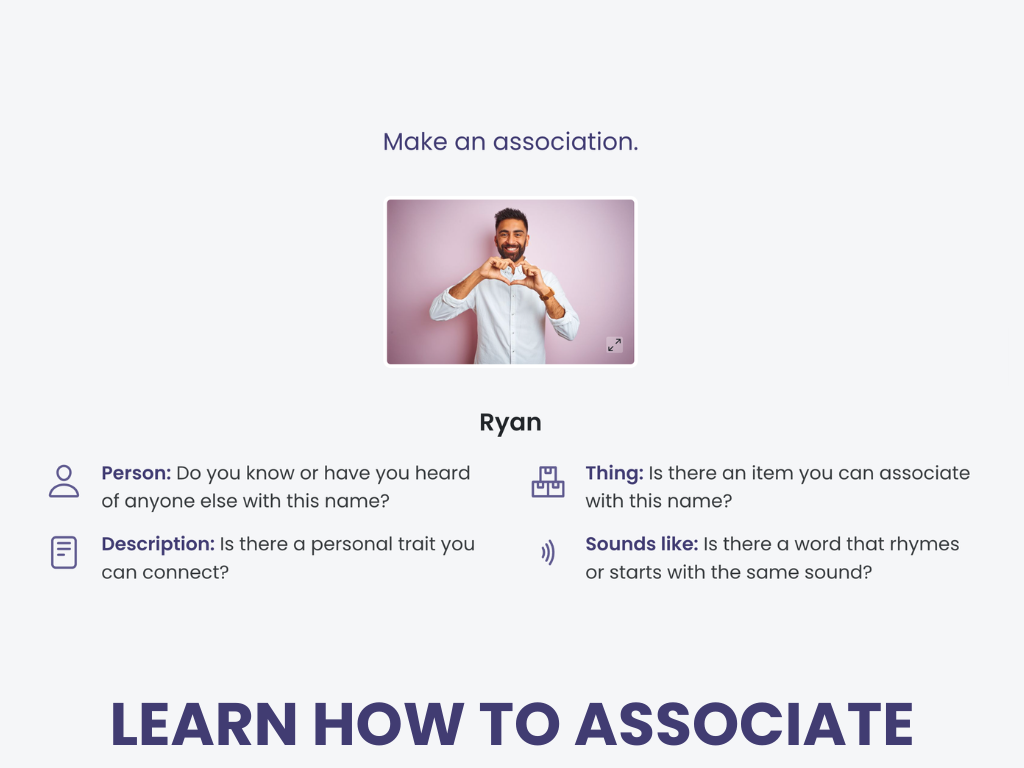
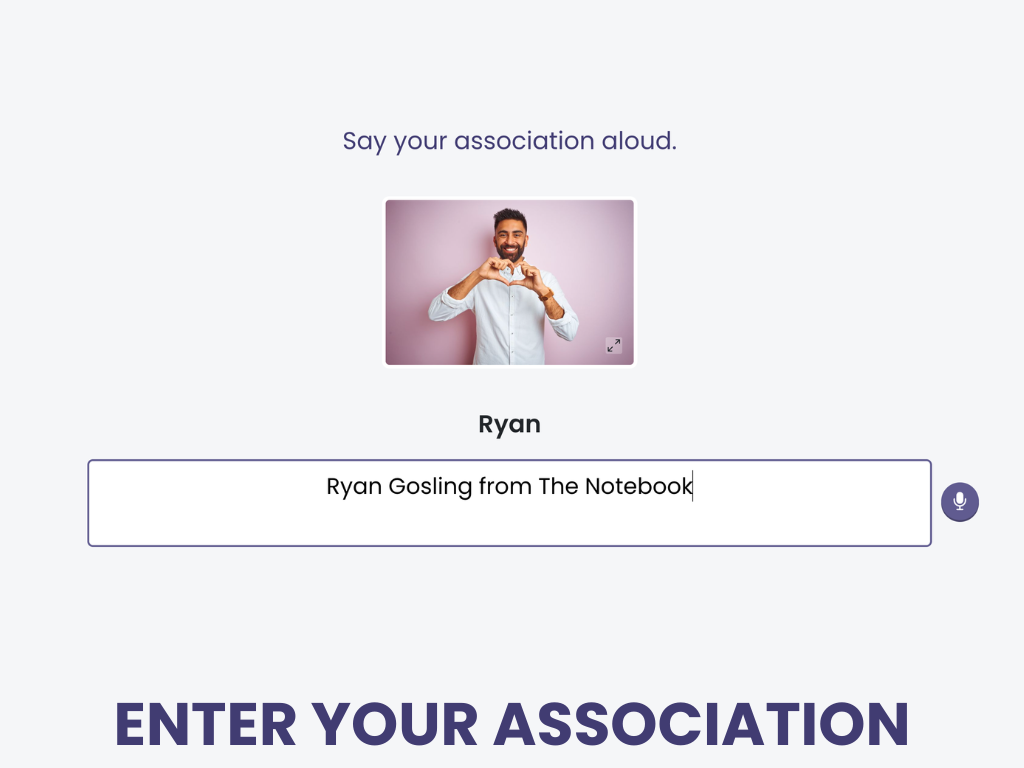
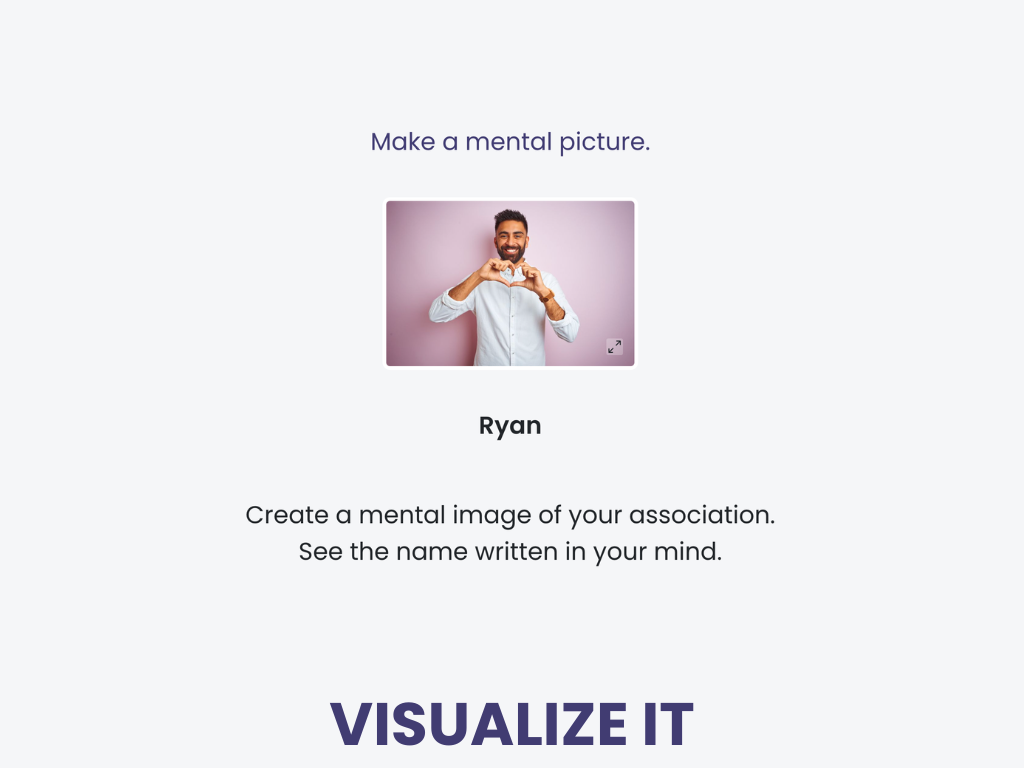
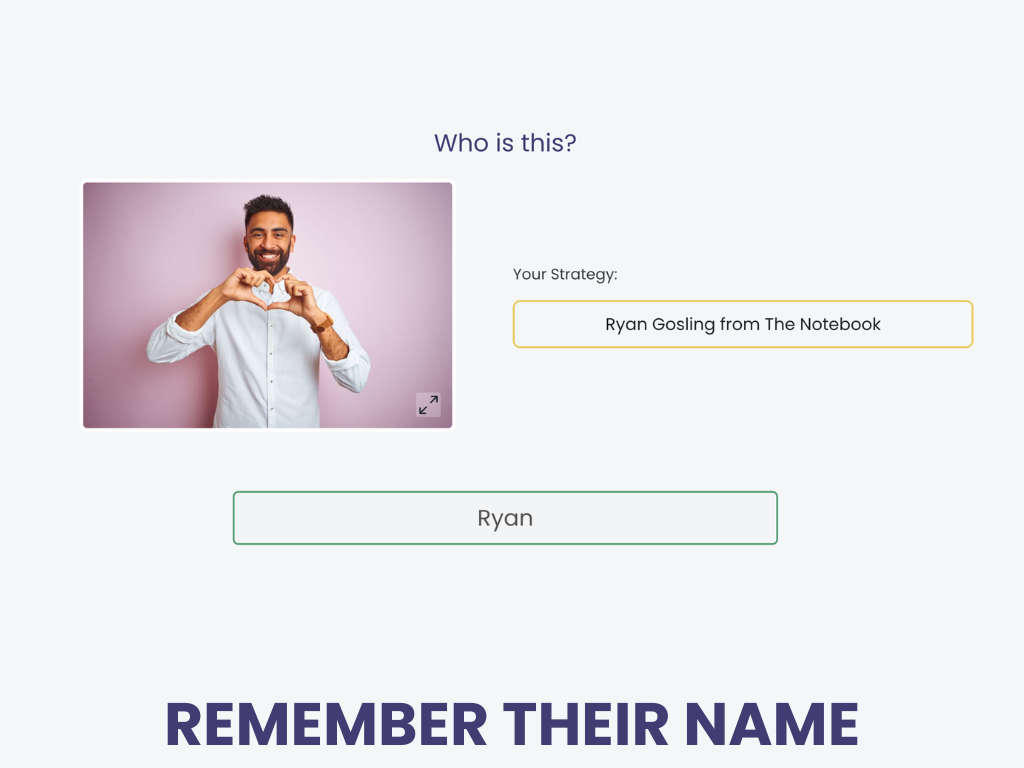
Patients learn to RASP: repeat, associate, speak, picture. They’re then tested on the name and asked to reflect on their strategy usage.
Sign up today for a risk-free 21-day trial of this innovative web-based therapy platform for SLPs.
Internal Memory Strategy: Chunking
Chunking (also known as grouping, clustering, or categorizing) is about organizing information into smaller, more manageable groups based on similarities, making it easier to remember. It’s much simpler to recall items when they’re broken down into smaller chunks rather than trying to remember everything at once. For example, you might use chunking to remember what to pack on a trip: hygiene items, clothing, and accessories. An external strategy (like writing it on a notepad or in an app) is probably more realistic when recalling longer strings of information, like a grocery list.
Internal Memory Strategy: Mnemonic Devices
Mnemonic devices are used for remembering specific information or unchanging lists. Students who need to remember textbook material might use a rhyme or catchy phrase (“I before E except after C”) or an acronym or acrostic (e.g., Roy G Biv for the colors of the rainbow). Of course, clients can use these strategies outside of the classroom (e.g. “Nose over toes” when transferring from a wheelchair). Still, they aren’t as useful as the other strategies because a rhyme or acrostic can’t generalize to multiple contexts like association or chunking can.
While memory-impaired patients are also less likely to generate their own mnemonic devices, therapists often teach them one to help remember memory strategies (meta, right?). WRAPS stands for write, repeat, associate, picture, sort. Writing is an external strategy, but very effective. Repeating doesn’t take much work – just say it again. Associating is an internal strategy described here to link information together. Picturing is another way to say visualization, and sorting reminds us to chunk or categorize. So get that information under WRAPS and don’t forget it!
While WRAP or WRAPS is popularly used in therapy, it’s essential that the patient understands when to apply each strategy and can actually do so.
Memory Therapy for Reading
Memory (or more specifically, working memory) is key to reading comprehension, especially for longer texts such as news articles or novels. To understand the material, you need to remember the gist and the important details. Purdy et al. (2018) mentioned some general reading strategies that can help clients remember and understand what they read:
- Highlighting or underlining key words
- Summarizing main points
- Re-reading sentence chunks
There are more structured approaches, such as RASR and PQRST. Read Attentively, Summarize, and Review (RASR) involves reading, summarizing, and re-reading paragraphs with a feedback component. It’s based on the Attentive Reading and Constrained Summarization (ARCS) approach that additionally requires patients to avoid using non-specific words, pronouns, and opinions. Rogalski et al. (2014) found that healthy adult participants who used the RASR technique had greater oral recall of written material compared to those who simply read it multiple times.
PQRST stands for preview-question-read-state-test. This metacognitive reading strategy is used to recall complex written information. There are 5 steps:
- Preview: preview the material
- Question: ask important questions about the material
- Read: read the material
- State: answer the previously asked questions after reading the material
- Test: test retention of the material periodically
Ciaramelli et al. (2015) compared PQRST with a standard reading condition in participants with prefrontal cortex damage. They found that those in the PQRST condition demonstrated higher rates of improvement in immediate and delayed recall and in their ability to answer questions about the text.
Read & Remember Articles
High-Level Comprehension
Work on memory strategies as you read in the Tactus Virtual Rehab Center.
Read & Remember Articles incorporates oral reading, highlighting key words, and summarizing before answering questions.


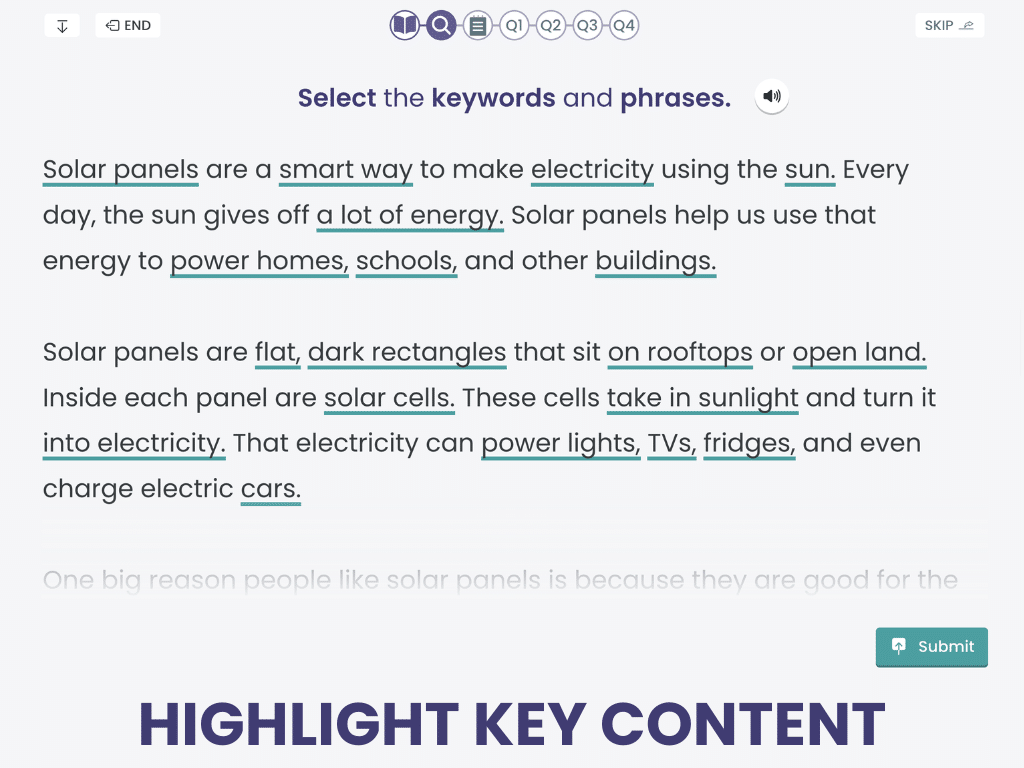
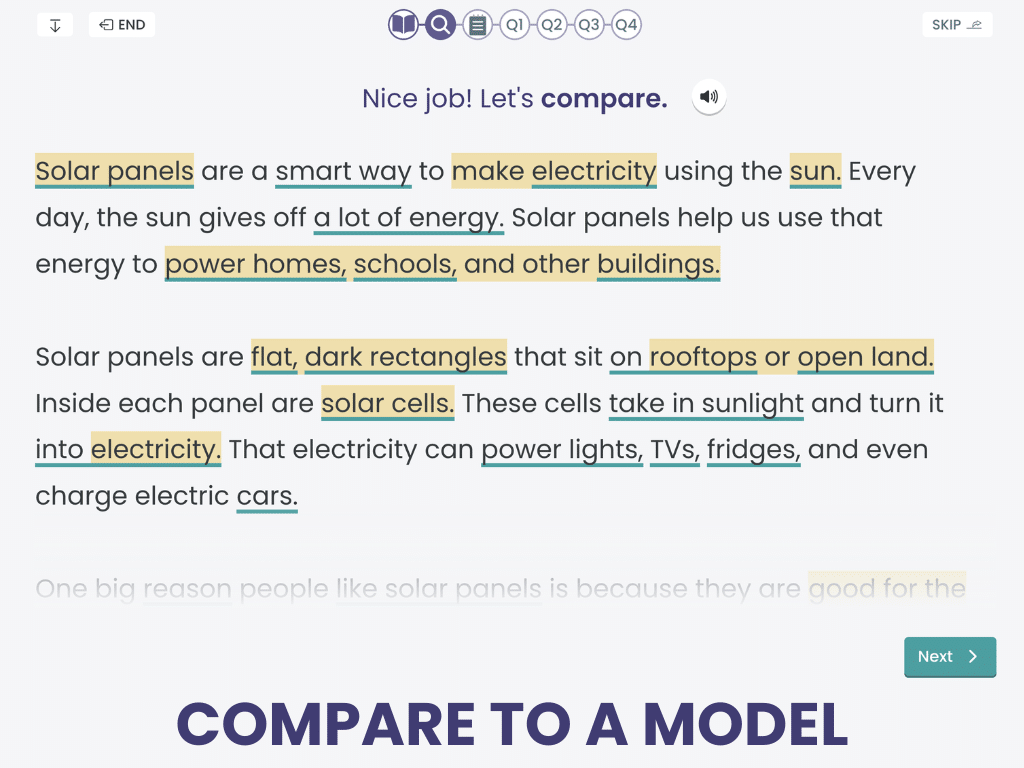
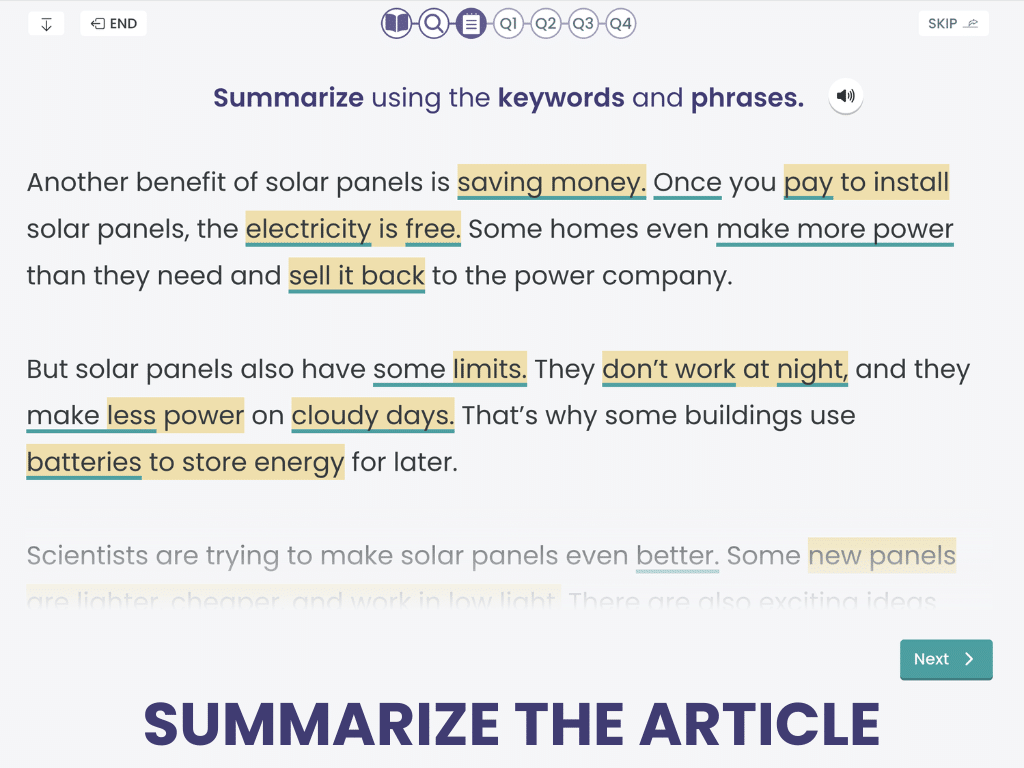
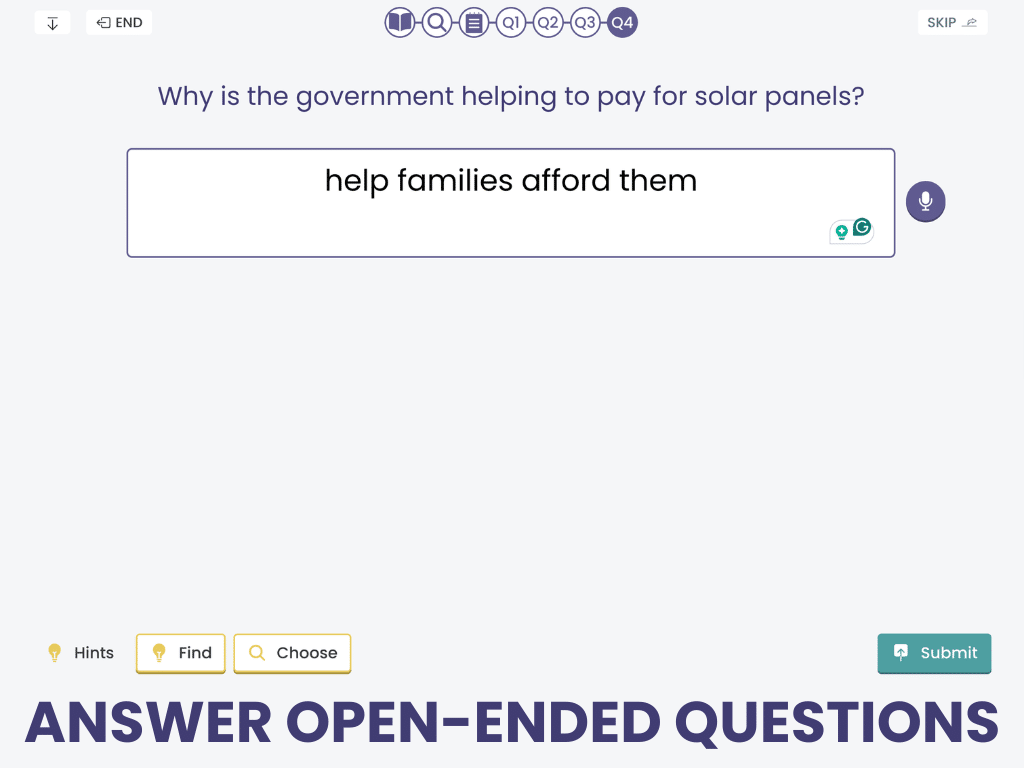

There are 4 levels of complexity across 3 types of articles to personalize the treatment to your patient’s interests and abilities.
Sign up today for a risk-free 21-day trial of this innovative web-based therapy platform for SLPs.
Final Thoughts on Memory Treatment
Memory is a multifaceted process that plays an essential role in our daily lives. Understanding its stages and types is crucial for effective treatment. Speech therapy can help individuals live independently and improve their quality of life. While memory challenges can be daunting for patients, evidence-based interventions offer hope for recovery and adaptation.
Learn More about Memory
Here is a selected reference we used to bring you this information about memory. All other references are linked in the blog. We recommend you read the original sources to learn more:
Cite this article: Shahid, S. (2026, October). What SLPs Need to Know: Memory. Tactus Therapy. https://tactustherapy.com/memory-treatment-improving-speech-therapy/