What SLPs Need to Know:
Anomia
18 min read
“Can you pass me the… the… you know… the thing that changes the TV channel?” The word is there somewhere, but it just won’t come out. “Remote!”
Most of us experience occasional word-finding slips like this. The word is on the tip of the tongue, but refuses to surface. For people with aphasia or other neurological conditions, however, these breakdowns aren’t rare. They can happen in nearly every conversation, and they are extremely frustrating.

Word retrieval may feel effortless when it works, but it actually involves several complex steps in the brain. When this process breaks down, the result is anomia – difficulty retrieving words when speaking. Anomia treatment focuses on improving word retrieval through targeted language therapy, cognitive support, and functional communication strategies.
This article is part of our “What SLPs Need to Know” series, which breaks down complex neurological communication disorders into practical information for clinicians. This overview is meant to help clinicians understand anomia, choose appropriate assessments, and deliver effective treatments to support their patients’ communication in everyday life.
1) Defining Anomia
Anomia refers to word-retrieval difficulty associated with aphasia or a cognitive-communication disorder. To understand how word retrieval can break down, it helps to look at the stages the brain goes through when naming an object (Bastiaanse et al., 2016):
- Semantic retrieval: activating the concept, retrieving the word’s meaning and grammatical information (lemma)
- Phonological retrieval: accessing the sounds in a word (lexeme)
- Articulatory planning: preparing the motor plan for saying the word aloud
A brain injury or neurological disease can disrupt word retrieval at any stage in this process, beyond what is expected with normal aging.
Anomia is the most pronounced and persistent symptom of aphasia after a stroke, regardless of the aphasia type (Pederson et al., 2004). Anomia can also occur in conditions such as dementia, traumatic brain injury, Parkinson’s disease, and brain cancer.
Characteristics of word-finding difficulty include generalized language (e.g. “stuff”, “thing”), filler words (e.g. “um, uh”), pauses or hesitations, circumlocutions (talking around the word), jargon (nonsense words), and paraphasias (using the wrong word) (Peach et al., 2024; Wahlstrand & Saldert, 2025). The type of paraphasia depends on the anomic profile:
- Lexical-semantic anomia: errors related to word meaning (e.g. saying “spoon” for “fork”)
- Lexical-phonological anomia: sound-based errors (e.g. saying “tea” instead of “tie”)
- Mixed anomia: both semantic and phonological errors
For many people with aphasia, these breakdowns aren’t just occasional hiccups; they happen every day and can be devastating to mental health. In a structured interview of adults with post-stroke aphasia, Fama and colleagues (2022) found that 49% had experienced negative emotions related to word-retrieval challenges. Many participants also shared the damaging impact on family and social relationships. This is one reason why people with aphasia are at higher risk for social isolation and subsequent negative health outcomes (Azios et al., 2021).
Looking for Printable Resources?
Unlock the Handout Vault
Dozens of high-quality, well-researched PDF handouts are available all in one place: The Tactus Virtual Rehab Center!
Patient education, home practice, clinical guides, visual supports, & a summary of this article for quick reference.
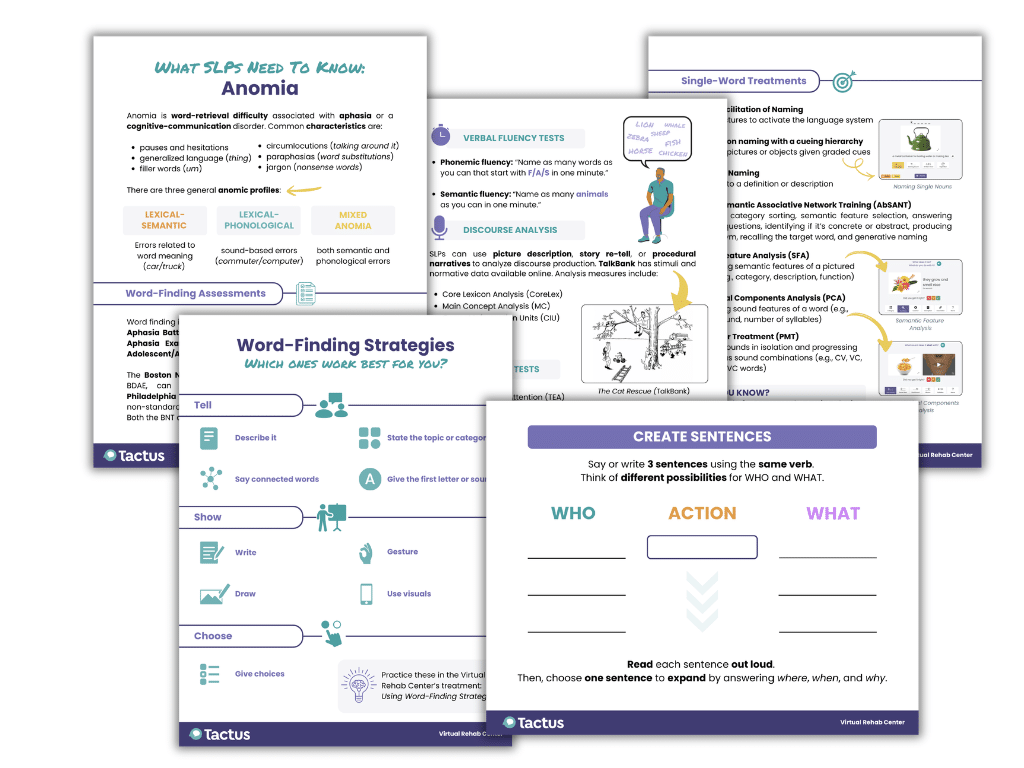
Sign up today for a risk-free 21-day trial of this innovative web-based therapy platform for SLPs.
Access 55+ evidence-based treatments and 100+ handouts created specifically for adult medical speech-language pathologists.
2) Word-Finding Assessments
Every good treatment plan starts with an assessment to determine the patient’s relative strengths and weaknesses, as well as to determine the specific type or underlying cause of the problem. While some assessments are more diagnostic in nature, others can serve as helpful pre- and post-measures of progress over time.
Standardized Assessments for Anomia
There’s no shortage of language assessments to get a picture of a patient’s word-finding ability:
- Boston Naming Test (BNT) ($$)
- Test of Adolescent/Adult Word-Finding (TAWF-2)($$$) for adults up to 80 years of age
- Boston Diagnostic Aphasia Examination – Third Edition (BDAE-3) ($$$), includes the BNT
- Western Aphasia Battery – Revised (WAB-R) ($$$)
- Comprehensive Aphasia Test (CAT) ($$$)
- Philadelphia Naming Test (PNT) and the PNT-Short Form (FREE)
It’s important to note the types of errors (semantic or phonemic) to narrow in on an appropriate treatment approach.
Verbal Fluency Tasks
Verbal fluency tasks are often included in anomia assessments because they’re quick to administer and normative data are available. Verbal fluency involves naming as many words as possible in 60 seconds with a given constraint.
There are phonemic and semantic verbal fluency tests and practice items built into the Tactus Advanced Naming Therapy app, with norms included in the emailed report.
Evaluating Word Retrieval in Discourse
It’s easy to overlook mild word-finding deficits, especially if patients score within normal limits on standardized assessments. Fromm et al. (2017) found that people with aphasia who scored highly on the WAB-R still demonstrated reduced discourse performance during a story retell task. They had “fewer total utterances, fewer words per minute, less lexical diversity, more word errors, and fewer main concepts.” This is why it’s important to collect discourse samples beyond the sentence level for analysis.
Core Lexicon Analysis (CoreLex) is an efficient way to measure the retrieval of the expected words needed to tell a story. TalkBank has stimuli and CoreLex checklists to quickly compare patients’ productions with healthy controls for a variety of tasks, including:
- Cinderella story re-tell
- Sandwich task
- Picture descriptions of The Broken Window, The Cat Rescue, and The Refused Umbrella
Main Concept Analysis (MC) is another way to analyze a discourse sample using TalkBank. MC is “a rule-based system of scoring how accurately and completely speakers produce concepts considered to be essential for conveying the gist of a shared narrative.” It provides an objective way to measure the percentage of essential information conveyed in a narrative, such as the Broken Window picture description task (Dalton & Richardson, 2015).
Other quick objective data points SLPs can collect include words per minute, percent of correct information units (CIUs), and CIUs per minute. A CIU is a word that is intelligible, accurate, relevant, and informative based on the stimulus, but does not need to be grammatically correct (Nicholas & Brookshire, 1993). See Appendix B for detailed scoring rules.
SLP Cheat Sheets:
Anomia Treatments
Struggle to keep all this straight? Then print, laminate, and refer to these cheat sheets when assessing and diagnosing anyone with a word-finding disorder!
Easily compare all the treatments for both word-level and discourse-level therapy.
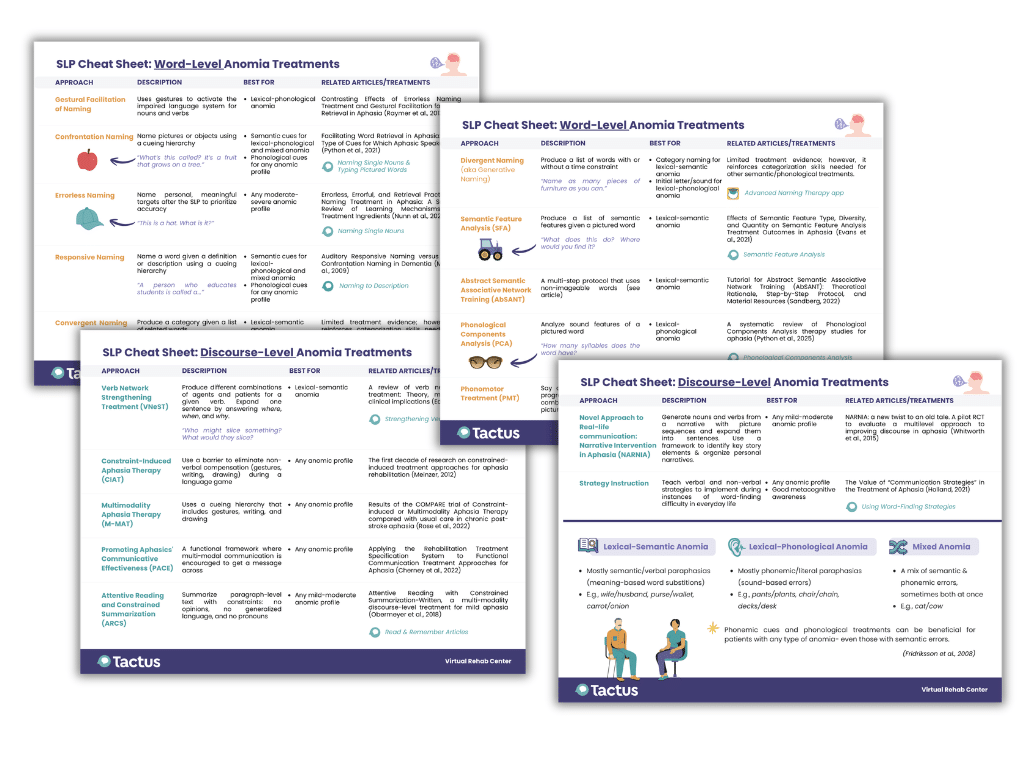
The 4-page Anomia SLP Cheat Sheet is just one of many clinician-focused handouts in the Tactus Virtual Rehab Center.
Sign up today for a risk-free 21-day trial of this innovative web-based therapy platform for SLPs.
Evidence-based is easy when you’re using the right tools!
Cognitive Testing and Anomia
Word retrieval does not rely on language alone. Several cognitive systems support the process of accessing and producing words. Studies show that attention, short-term memory, and executive functions all correlate with anomia therapy outcomes (Dignam et al., 2017; Dutta et al., 2023; Lambon et al., 2010). This provides a strong argument for including cognitive testing and treatment for individuals with word-finding deficits.
Consider using these tests to obtain information about underlying cognitive skills:
- The Test of Everyday Attention ($$$$)
- Cognitive-Linguistic Quick Test Plus (CLQT+)($$$)
- Butt Non-Verbal Reasoning Test (BNVR) ($$)
For more about how aphasia and cognition overlap, read Attention and Aphasia and Executive Functioning and Aphasia in this “What SLPs Need to Know” series.
Evidence-Based Anomia Treatments
Anomia treatment can take many forms, but the goal is always the same: improving access to words during everyday communication. In practice, treatment is usually tailored to the underlying impairment, targeting semantic processing, phonological processing, or both, depending on the individual’s error pattern.
Most of the available research on word-finding intervention comes from studies involving post-stroke aphasia. But anomia is not exclusive to stroke, and different groups may respond differently to different treatment approaches. Regardless of the etiology, technology (such as the Virtual Rehab Center) can help clinicians deliver intensive treatment (Lavoie et al., 2017) to make progress on this most frustrating symptom.
3) Restorative Word-Level Treatments
In this section, you’ll learn about 8 types of anomia interventions at the word-level: cueing hierarchy, errorless learning, gestural facilitation, responsive naming, divergent/convergent naming, AbSANT, SFA, and phonological treatments, as well as how to increase the difficulty of naming tasks.
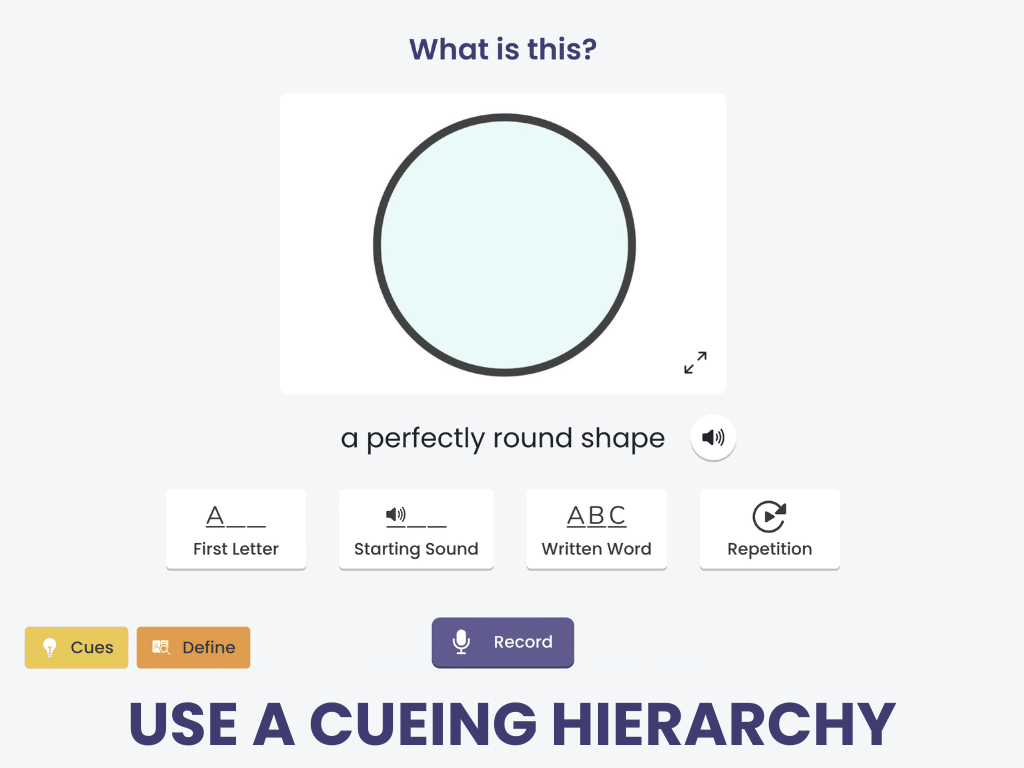
Cueing Hierarchy
A cueing hierarchy is a structured approach to word retrieval that provides gradual support to name a picture or object in a confrontation naming task. Semantic cues (e.g. category, definition, sentence completion) and/or phonological cues (e.g. initial sound, rhyme, number of syllables) are often provided in order from least helpful to most helpful (Shenoy et al., 2024). In the early 1990s, it was found that semantic cuing was more effective for people with anomic aphasia, and phonological cuing was better for Broca’s and conduction aphasia. More recently, Python and colleagues (2021) reported that phonological cues were effective regardless of anomia profile, whereas semantic cues were effective only for lexical-phonological and mixed anomia.
Learn more about cueing hierarchies in our free How-To article about cueing
What is this?
Naming Single Nouns
Naming Single Nouns remains one of the top treatments in the Tactus Virtual Rehab Center for talking.
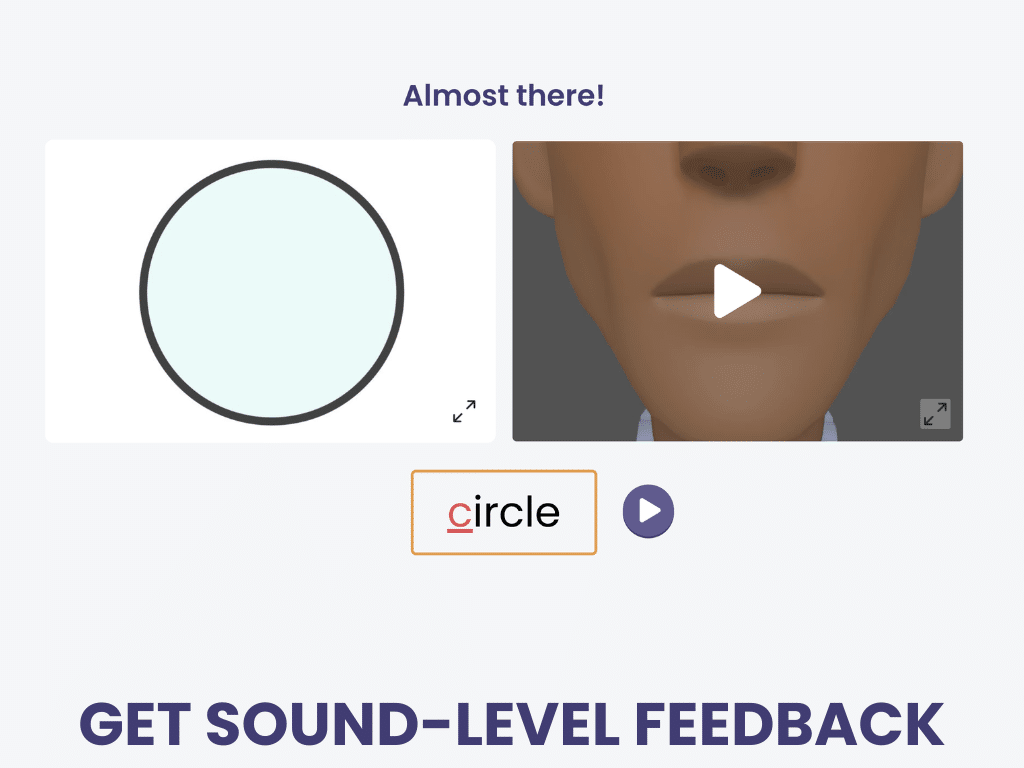
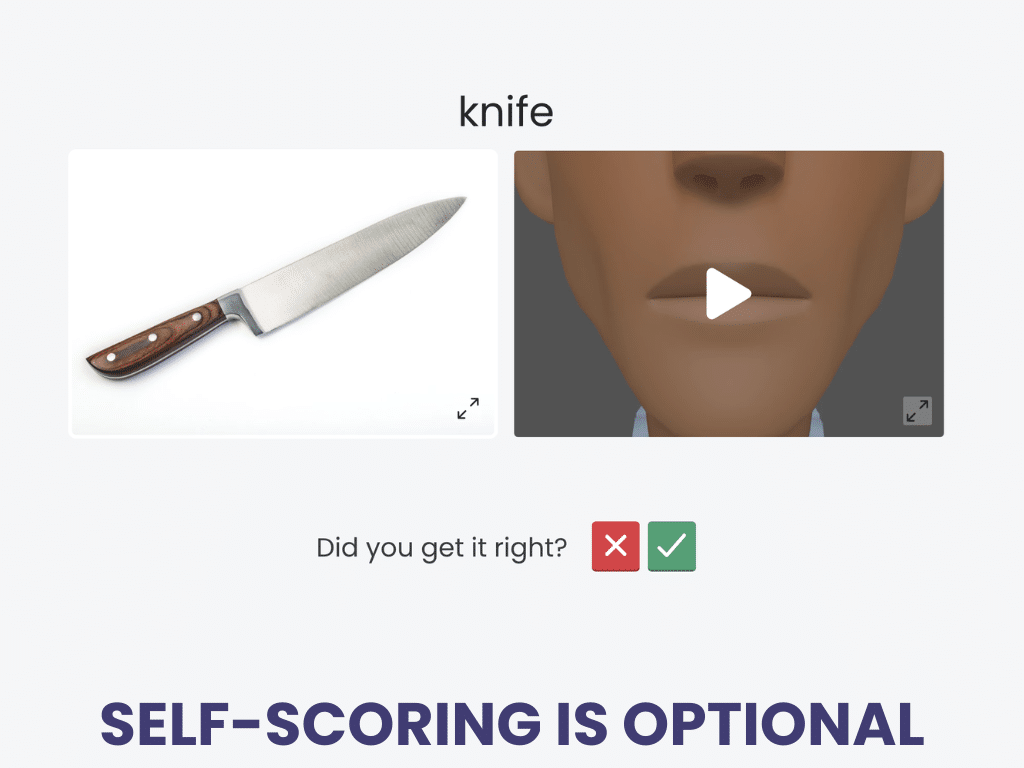
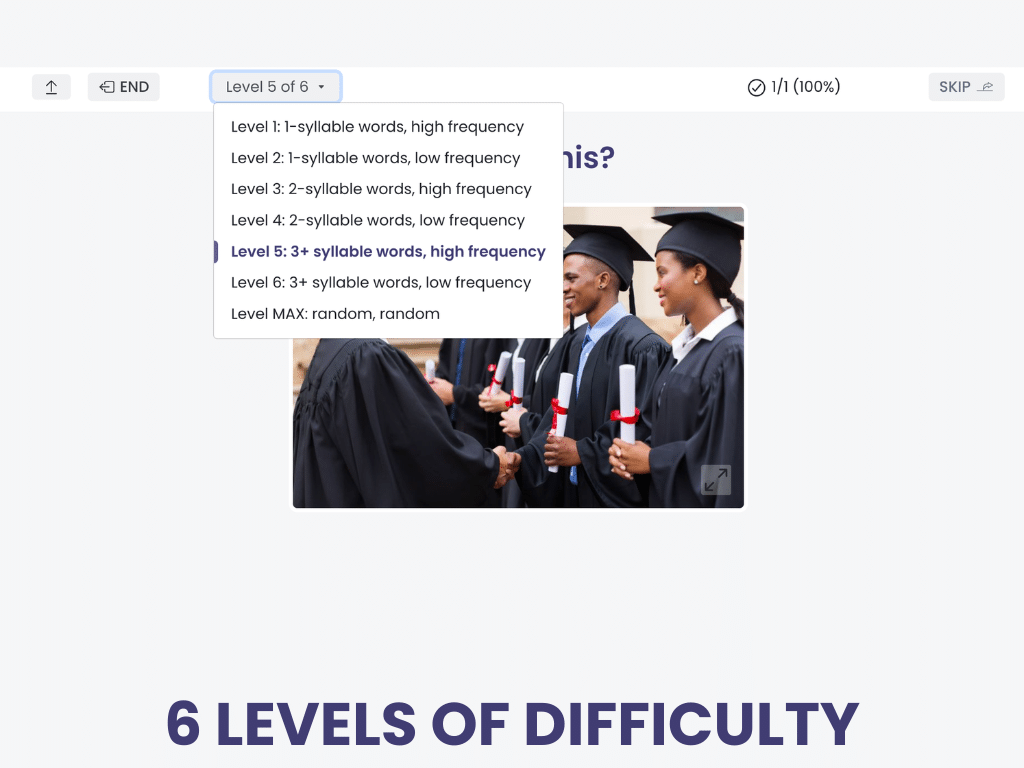
Use speech recognition with sound-level feedback or self-scoring, along with a cueing hierarchy, to name words in 6 levels of difficulty based on length and frequency.
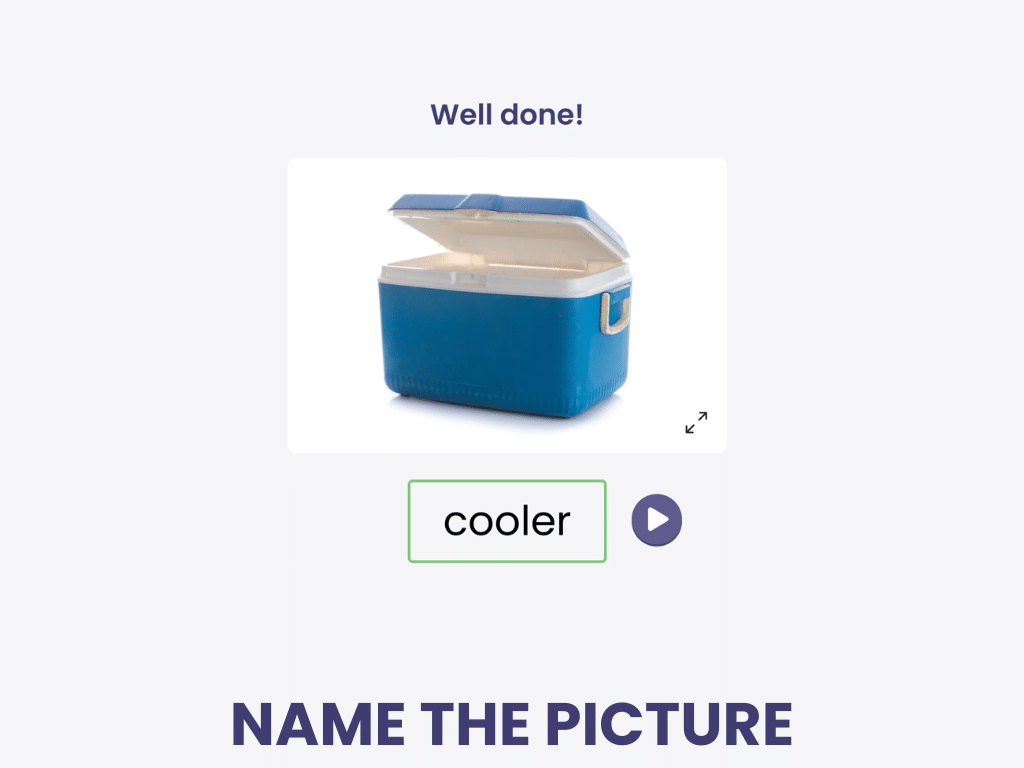
Use this and other treatments in the Tactus Virtual Rehab Center in the clinic and assign for free home practice.
Sign up today for a risk-free 21-day trial of this innovative web-based therapy platform for SLPs.
This classic treatment is very similar to what you’ve come to love in Naming Therapy, but with more words and automated scoring.
Errorless Learning
For those with severe word-finding deficits, consider errorless learning to prioritize accuracy over effort (Nunn et al., 2022). This semantic-phonologic approach involves the patient repeating the target word after the clinician (e.g. “This is an apple. What is it?”)
Studies show that errorless learning can be as effective as approaches that may result in an error, but generalization to untrained words is limited (Raymer et al., 2011). Targets should be personal and relevant to promote functional communication.
Gestural Facilitation of Naming
An adaptation to confrontation naming for severe anomia is Gestural Facilitation of Naming. It uses the intact gestural skill to activate the impaired language system for both nouns and verbs. This approach is more beneficial for patients with phonologic impairments than for those with semantic impairments (Raymer et al., 2011).
Responsive Naming
Responsive naming, a task in which the patient produces a target word in response to a definition, can result in increased activation in the temporal lobe compared to confrontation naming, with added demands on executive function due to the increased complexity (Miller et al., 2009). Responsive naming also allows the clinician to include non-imageable words (e.g. hope), whereas confrontation naming does not.
Responsive Naming:
Naming to Description
Naming to Description is a high-level treatment in the Tactus Virtual Rehab Center to work on word finding.
Work on nouns, verbs, and abstract words with a unique cueing hierarchy that adds sentence completion and anagrams to the mix.
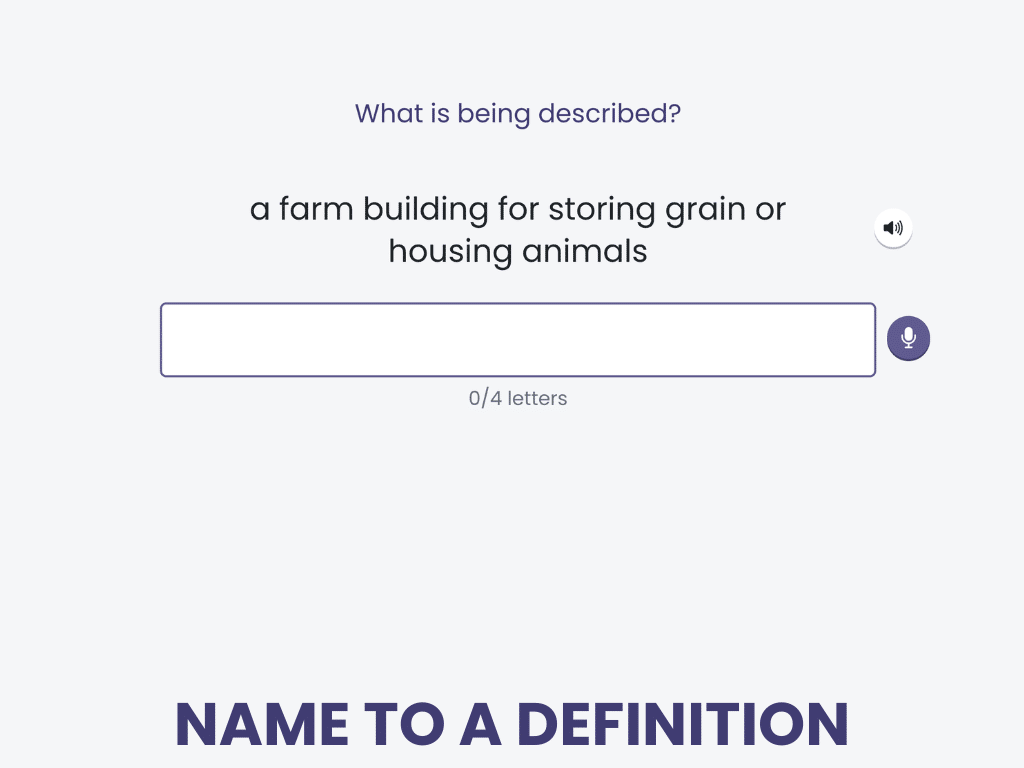
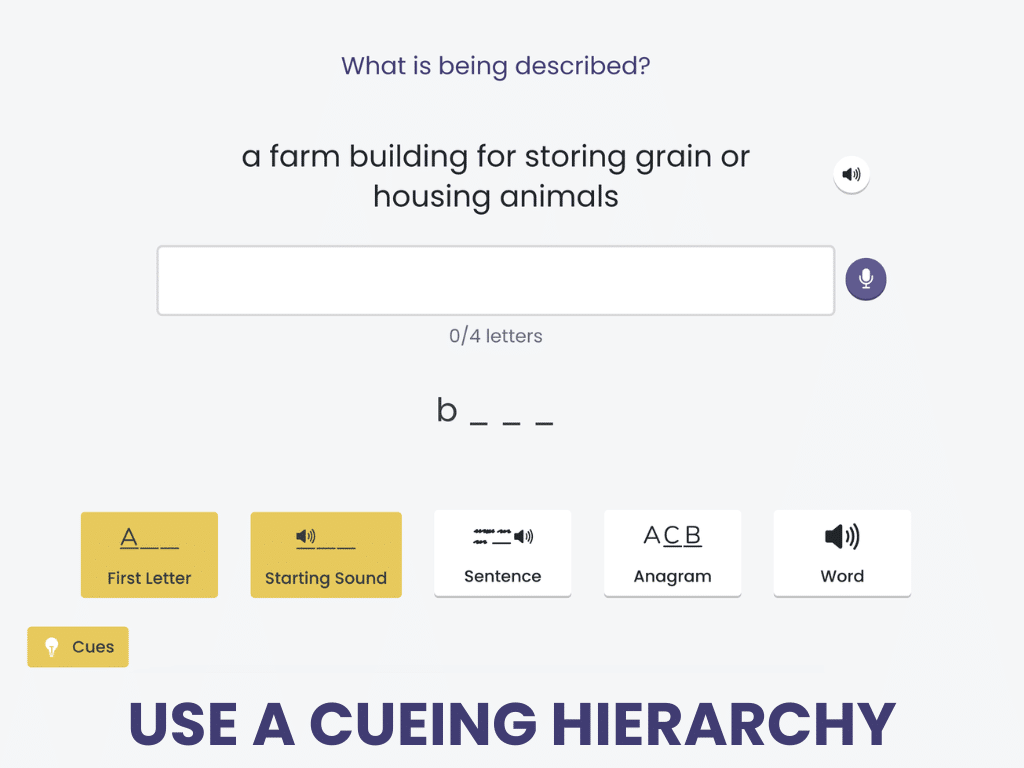
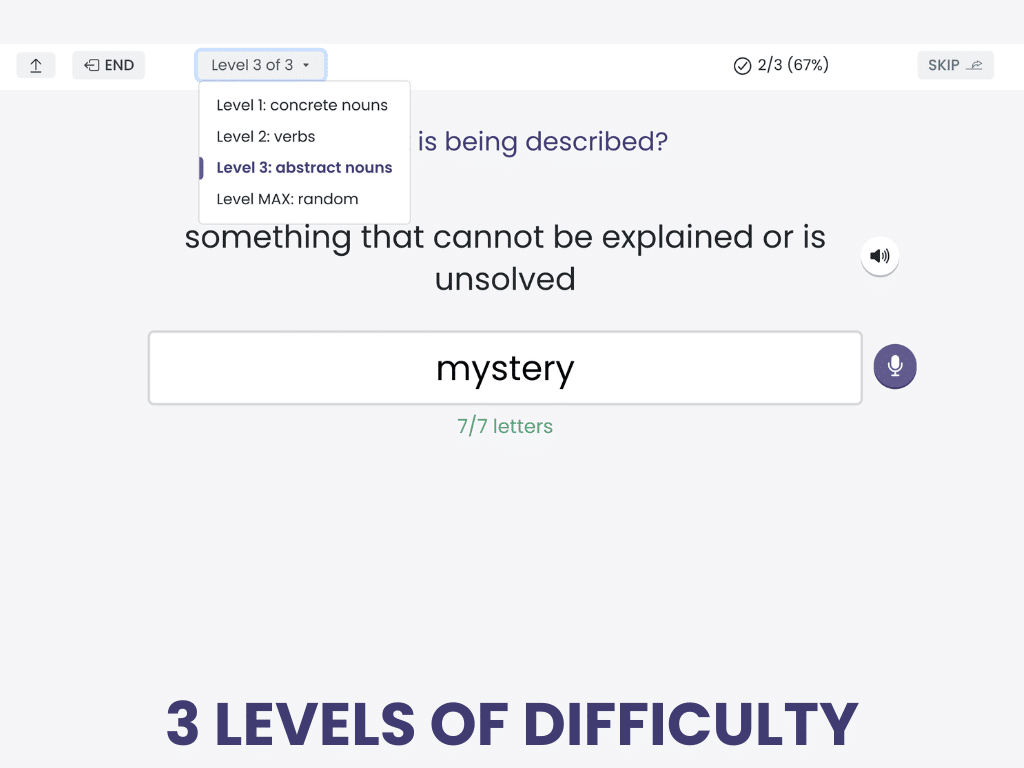
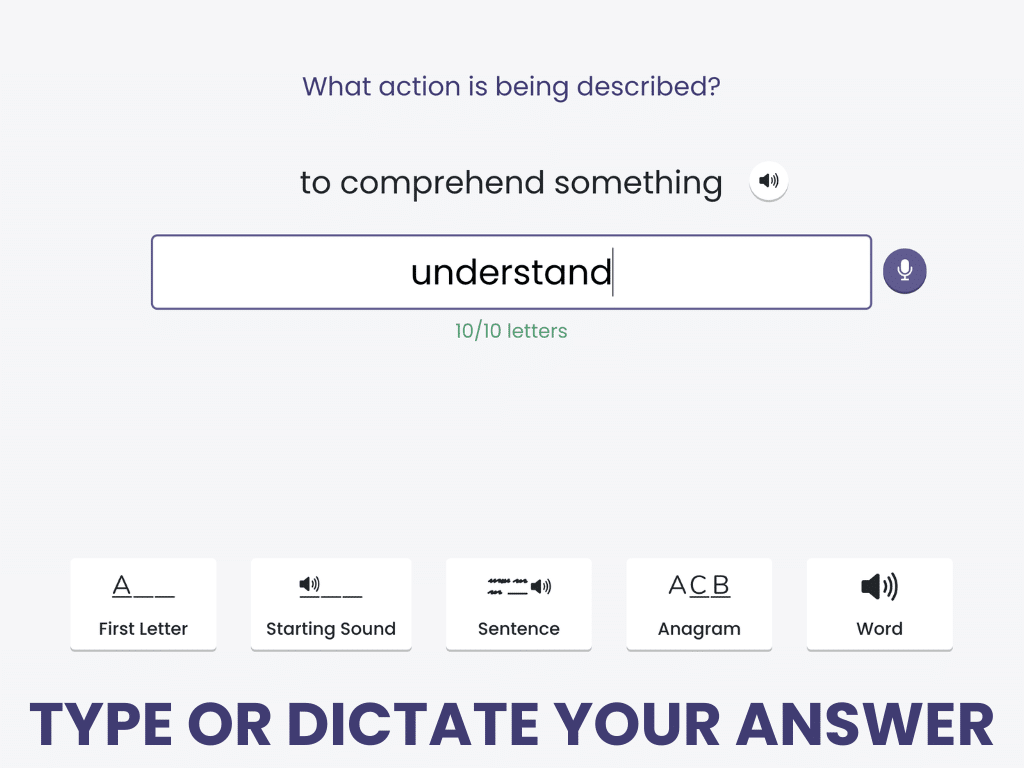
This treatment is perfect for mild aphasia as well as cognitive-communication, requiring attention to detail, thought organization, and mental flexibility.
Sign up today for a risk-free FREE trial of this innovative web-based therapy platform for SLPs.
Divergent & Convergent Naming
Divergent naming (generating items in a category, also called generative naming or verbal fluency) and convergent naming (identifying the category from a list of words) are also commonly used in therapy. Research specifically examining these tasks for anomia treatment is limited, though Henry et al. (2010) found that generating category items based on semantic features may help organize the mental search for words. Even without extensive evidence, these tasks can reinforce categorization skills that support other semantic treatments.
AbSANT
Abstract Semantic Associative Network Training (AbSANT) is an evidence-based approach focused on non-imageable words that has been shown to generalize to concrete words (Sandberg & Gray, 2020). The researchers have provided a tutorial and material resource for this multi-step treatment protocol.
Semantic Feature Analysis
Semantic Feature Analysis (SFA) asks patients to produce the semantic features of a pictured word, including the category, physical description, function, location, and association. The purpose is to strengthen the semantic network and increase the activation of other words with shared features for generalization (Evans et al., 2021). Using atypical words, such as ostrich, can improve the naming of untrained, more typical words, such as robin (Gilmore et al., 2018). This approach would be beneficial for patients who produce semantic or verbal paraphasias, such as saying “bowl” for “cup”.
Learn how to do SFA step-by-step in How To: Semantic Feature Analysis
There have been a few adaptations to SFA that add cognitive training for participants with aphasia. Bontemps and colleagues (2024)combined SFA with executive function tasks and reported improved naming for trained and untrained items and spoken discourse. Hashimoto (2025) added a working memory component to SFA and found post-treatment improvements in language, working memory, and self-reported quality of life.
Analyzing Features:
SFA & PCA
Semantic Feature Analysis & Phonological Component Analysis are two evidence-based treatments in the Tactus Virtual Rehab Center for word-finding.
Each treatment asks questions related to meaning (semantics) or sounds (phonology).
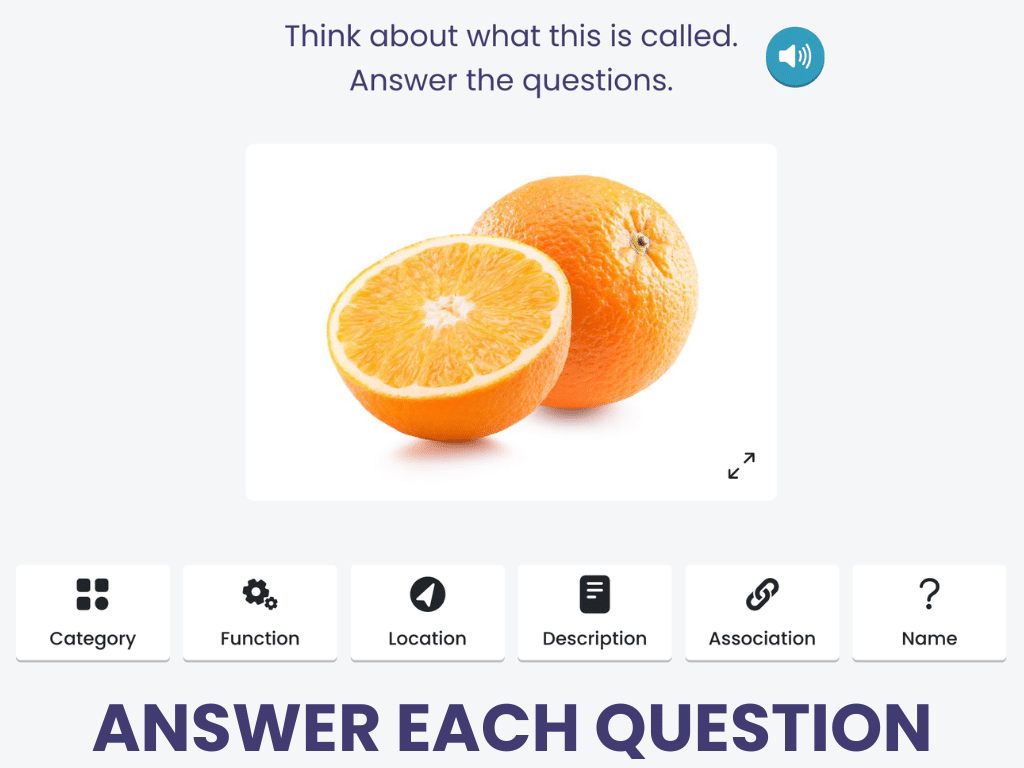
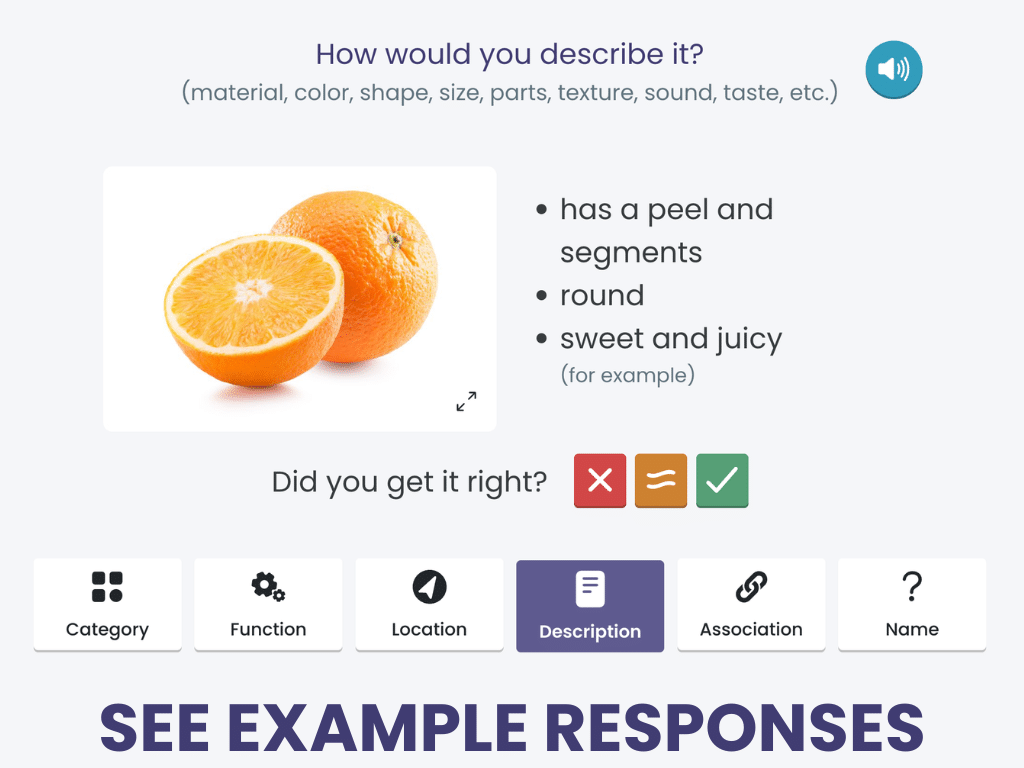
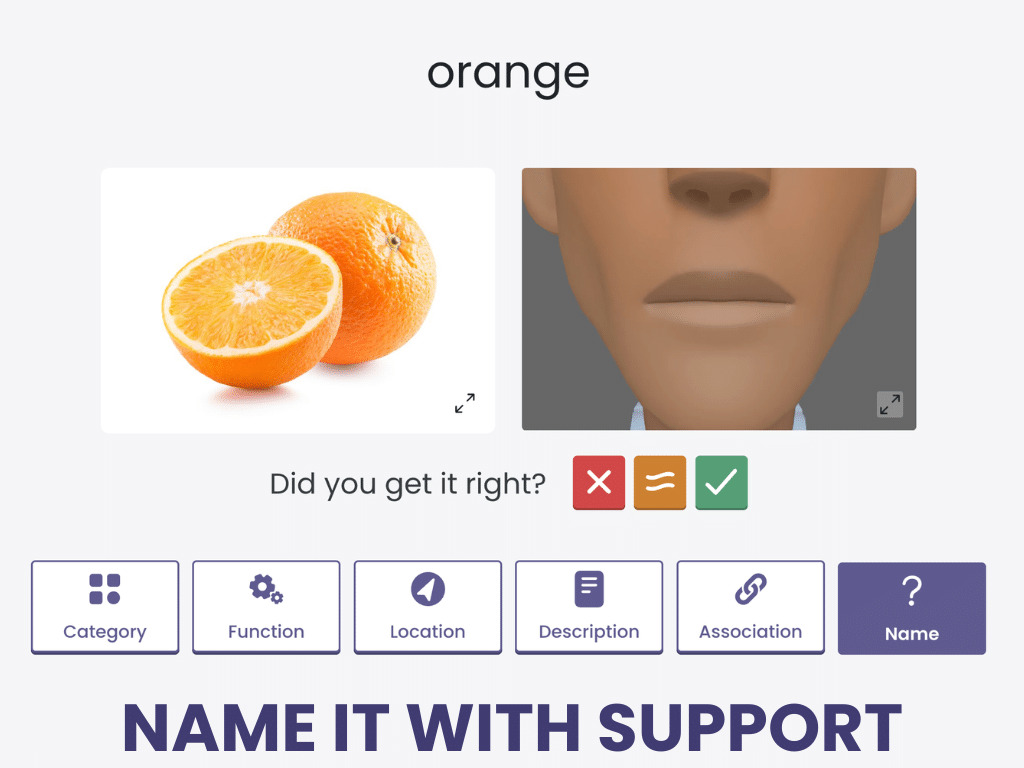
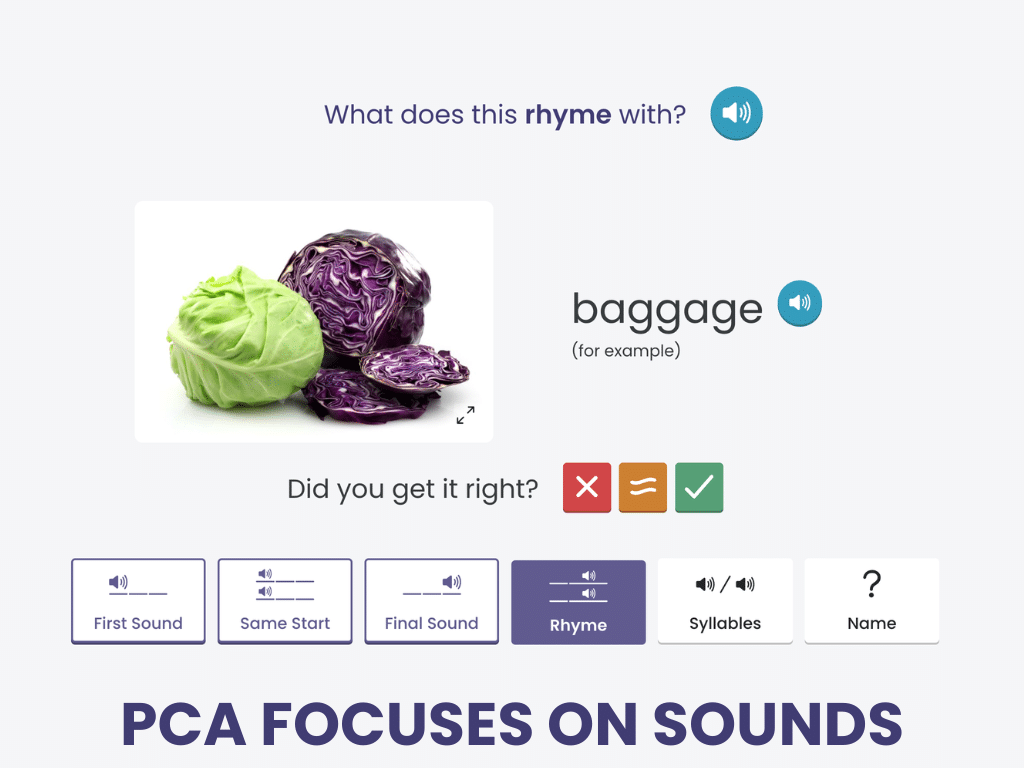
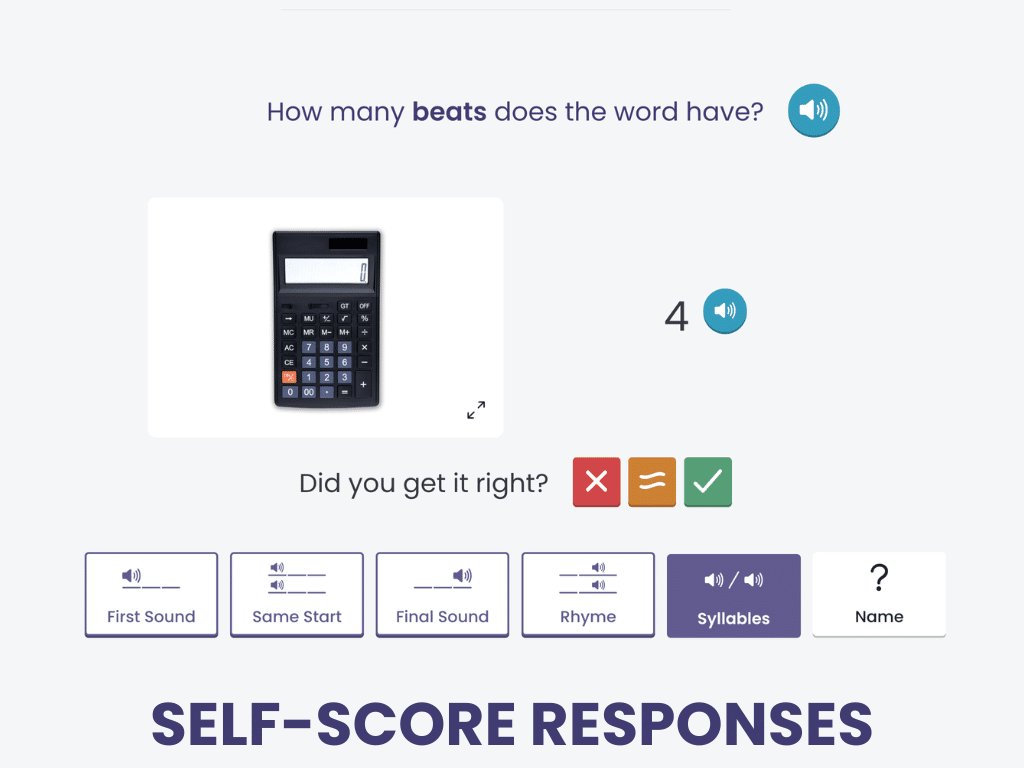
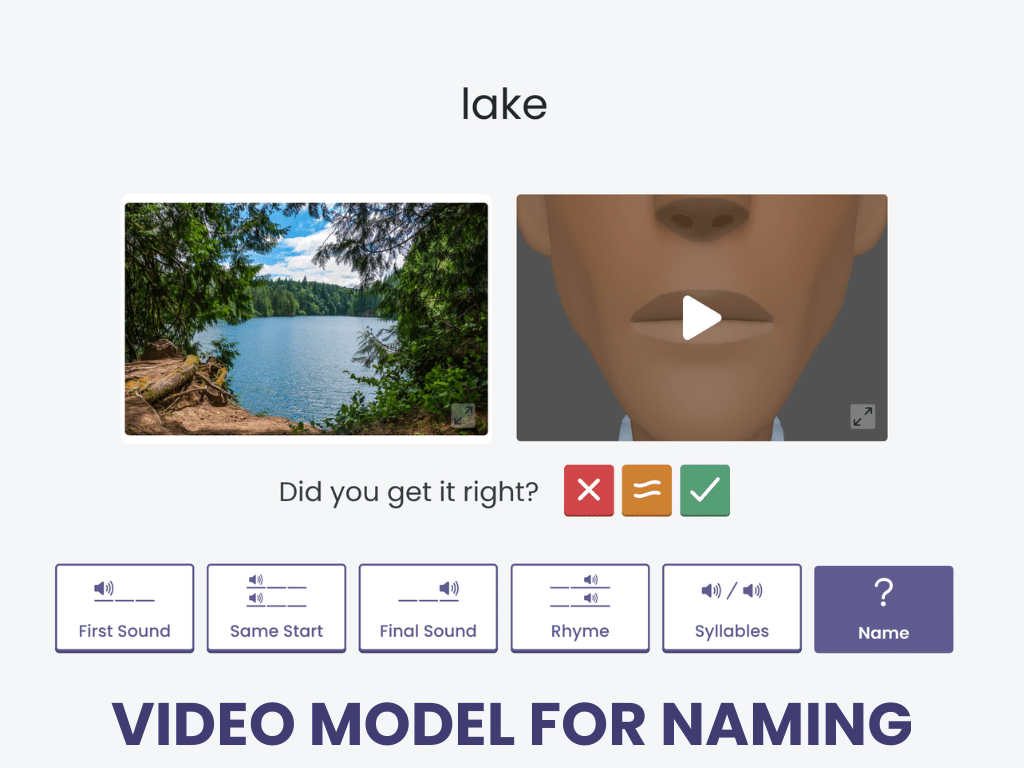
Answers are self-checked against suggested answers, allowing for flexibility in responses for hundreds of words.
Sign up today for a risk-free FREE trial of this innovative web-based therapy platform for SLPs.
Phonological Treatments
For patients who produce phonemic or literal paraphasias, such as saying “horse” for “house,” consider a phonology-based treatment approach rather than SFA.
-
Phonological Components Analysis (PCA) involves analyzing sound features of a word: the first sound, a word starting with the same first sound, the final sound, a rhyming word, and the number of syllables (Python et al., 2025).
- Phonomotor Treatment (PMT) involves saying sounds in isolation initially and progressing to various sound combinations (e.g. CV, VC, CVC, CCVC words)(Kendall & Nadeau, 2016).
In a scoping review of sound-based treatments, the authors found that both PCA and PMT often result in generalization to untrained, phonologically-related words (Braun et al., 2025).
Learn how to do Phonological Components Analysis in our article How To: PCA
Increasing Difficulty of Word-Finding Tasks
To increase the difficulty of a naming task, consider including verbs, low-frequency words acquired later in life, or abstract concepts such as fear or truth (Bastiaanse et al., 2016). Time pressure is another variable to alter, as encouraging faster naming can increase the efficacy and maintenance of treatment (Conroy et al., 2018).
4) Going Beyond Single Words in Therapy
In this section, you’ll find information about 6 treatments that take speech therapy for anomia beyond the word level: VNeST, CIAT, M-MAT, PACE, ARCS, and NARNIA.
VNeST
Verb Network Strengthening Treatment (VNeST) aims to improve lexical retrieval in sentences and discourse by focusing on thematic roles (Edmonds, 2016). Patients are asked to produce different combinations of agents (doers of the action) and patients (receivers of the action) for a given verb. For example, given the verb pass, the patient might say:
- The student (agent) passes (verb) the test (patient)
- The driver (agent) passes (verb) the exit (patient)
- The teammate (agent) passes (verb) the ball (patient)
Then they expand on one sentence by answering where, when, and why.
Get step-by-step instructions for VNeST in How To: Verb Network Strengthening
Create 3 Sentences:
Strengthening Verb Networks
Strengthening Verb Networks is a treatment in the Tactus Virtual Rehab Center that uses the principles of VNeST.
There are 10 sets of 10 verbs, multiple-choice answers as hints, and a versatile text/dictation entry for speaking or writing.
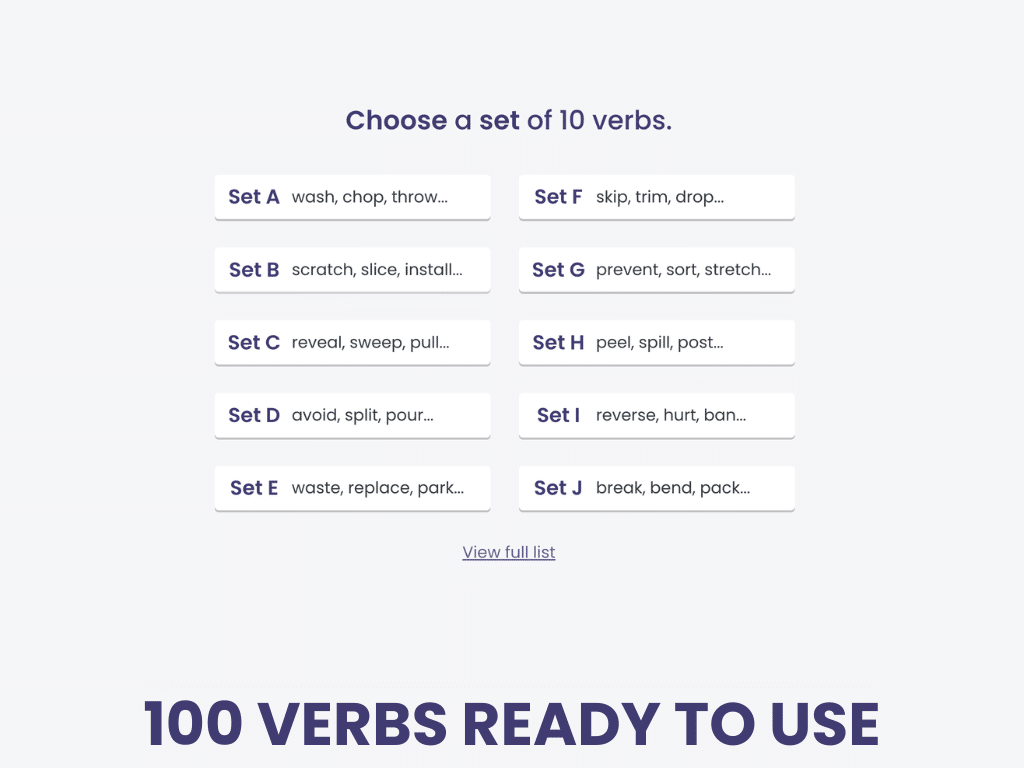
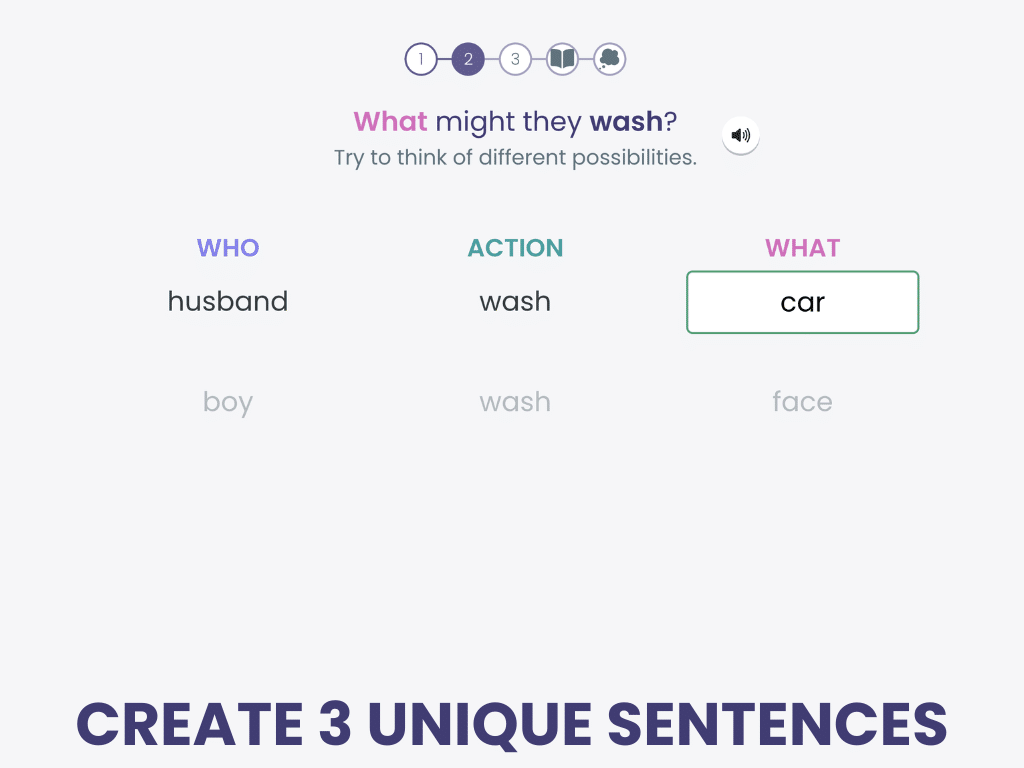
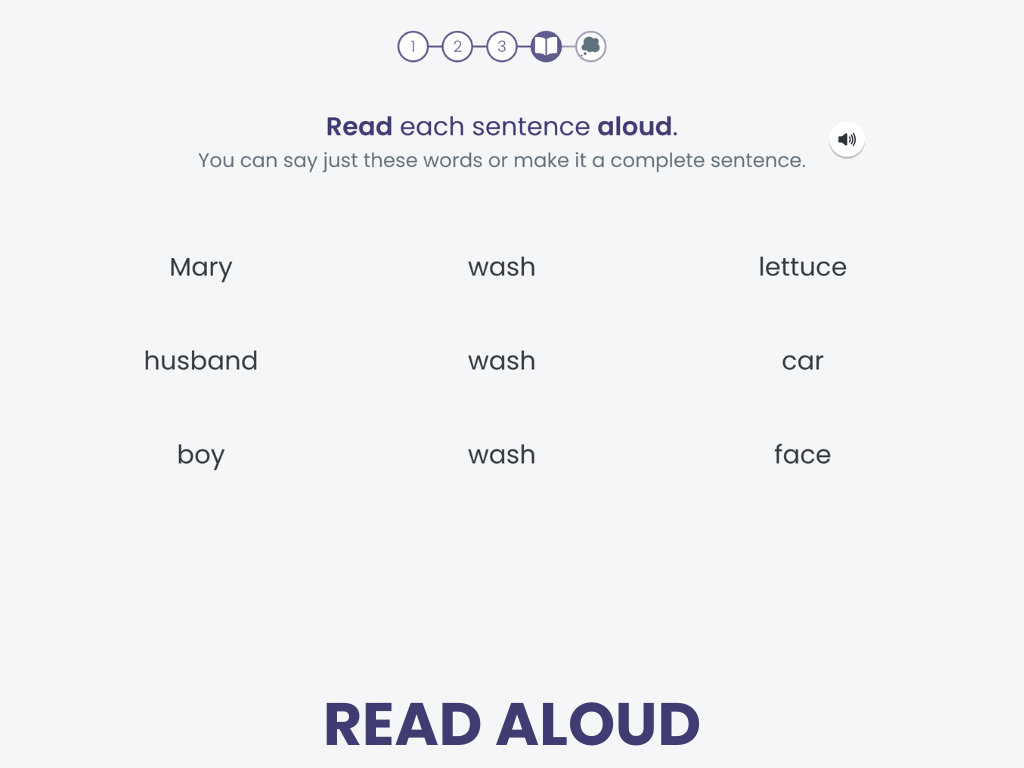
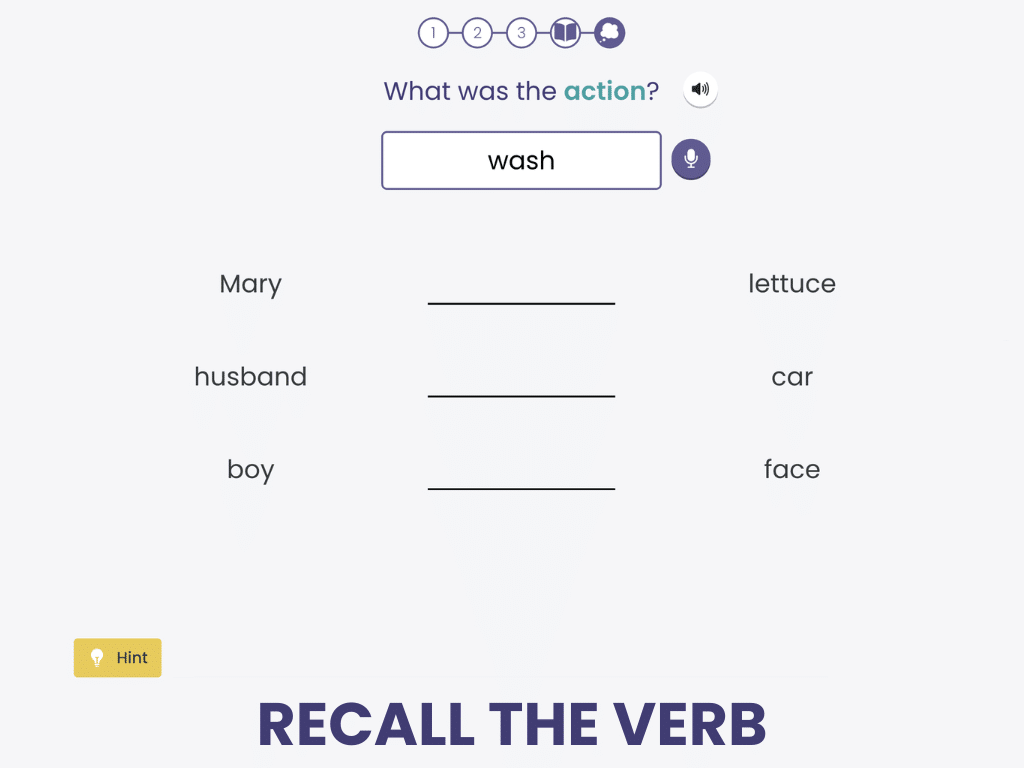
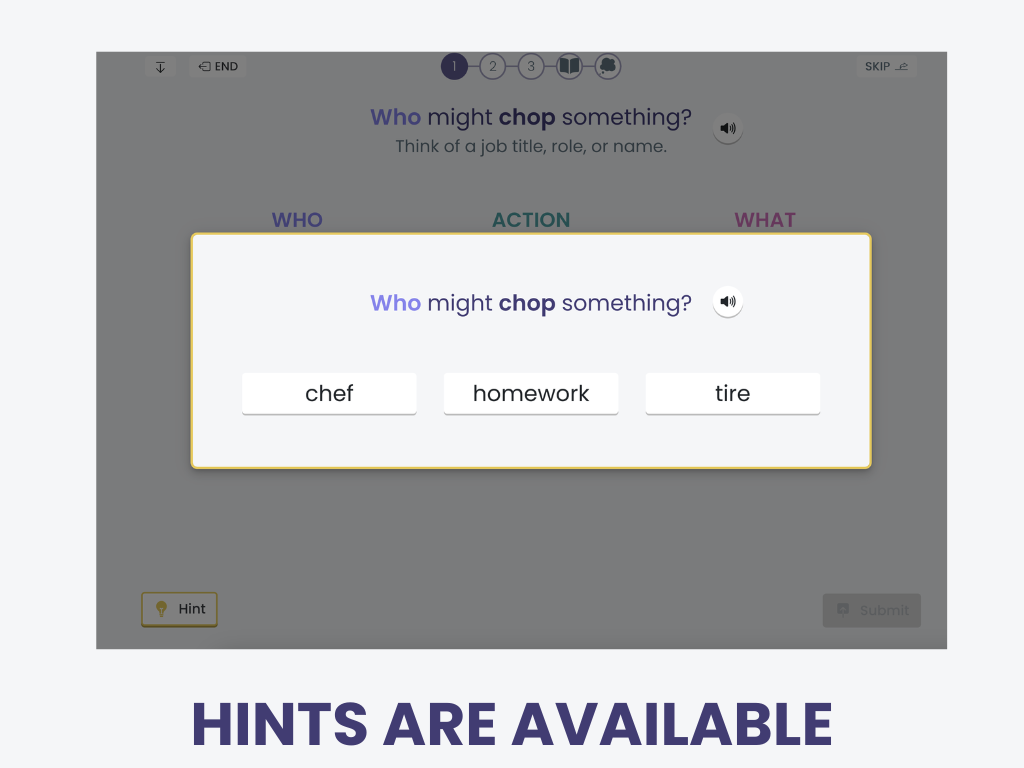
Shorter than the Create activity in Advanced Naming Therapy, this treatment allows for greater intensity of practice.
Sign up today for a free trial of this innovative web-based therapy platform for SLPs.
You’ll love the automated scoring that allows patients to work independently with feedback!
Constraint-Induced Aphasia Therapy
Constraint-induced aphasia therapy (CIAT) can improve word-retrieval and other language areas. CIAT restricts patients from using gestures, writing, or drawing during a language game that requires only spoken language. Stimuli can include cards with pictured objects, written language (categories, rhyming words), or picture scenes to encourage longer productions (Meinzer et al., 2005). The CIATplus adaptation includes additional training in daily communication (Meinzer et al., 2013).
Multimodality Aphasia Treatment
Multimodality Aphasia Therapy (M-MAT) is another high-intensity approach, but unlike CIAT, it’s based on a cuing hierarchy that includes drawing, gesturing, and writing. Rose and colleagues (2022) compared M-MAT to CIATplus in over 200 participants with chronic aphasia. Both interventions resulted in gains in word-finding and functional communication that were maintained at the 3-month follow-up.
A variation of M-MAT called M-MAT Meta adds Goal Management Training (GMT) to help patients with severe Wernicke’s aphasia improve self-awareness and communication (Wadams & Mozeiko, 2024).
Promoting Aphasics’ Communicative Effectiveness
Promoting Aphasics’ Communicative Effectiveness (PACE) also encourages patients to use multimodal communication during anomic breakdowns to convey messages from picture cards. It includes turn-taking and feedback to practice compensatory strategies in a structured, yet more natural context compared to other drill-based techniques. Maher and colleagues (2006) found that both CIAT and PACE techniques resulted in positive outcomes for subjects with aphasia, although the CIAT group showed more consistent improvement on standard aphasia measures.
Attentive Reading & Constrained Summarization
Attentive Reading and Constrained Summarization (ARCS) is a cognitive-linguistic discourse treatment that can improve word-finding and confrontation naming (Rogalski et al., 2013). ARCS involves summarizing a few sentences at a time with constraints: no opinions, no generalized language, and no pronouns. After reading and summarizing small sections of a text, the patient then summarizes the entire article or story. ARCS-W is a similar approach that uses written summaries rather than verbal ones. Obermeyer et al. (2018) also reported improved confrontation naming in two participants with mild aphasia.
Learn how to do ARCS in this free How To: ARCS guide
NARNIA
Novel Approach to Real-life communication: Narrative Intervention in Aphasia (NARNIA) is another discourse-level approach that can positively impact word-finding. Patients generate relevant nouns and verbs from a narrative with picture sequences and expand them into sentences. They then use a beginning-middle-end framework to identify key story elements and organize their own narratives, including opinions or related personal experiences. Whitworth et al. (2015) reported improved retrieval of nouns and verb processing in subjects with mild-moderate aphasia following NARNIA treatment.
5)Word-Finding Strategies
Teaching word-finding strategies can help people navigate communication breakdowns in daily life. These approaches focus on finding alternate ways to convey a message and keep the conversation moving.
Nonverbal strategies include using gestures, drawing, writing, or communication boards. In some cases, using technology, such as image searches on a phone or stored vocabulary lists, can provide the needed support to express the intended idea.
Verbal strategies help the person with aphasia narrow down the target word. This can act as a self-cue or help the listener figure out the intended word. Examples of verbal strategies include:
- describing the word
- naming the category
- giving the first letter
- offering a related word or synonym
When these attempts aren’t successful, it can be helpful to say to the listener, “Be patient” or “Give me time” to help maintain a supportive communicative environment. The person with aphasia may choose to ask for assistance or return to the idea later. However, if a listener often interrupts or tries to complete the speaker’s sentences without being asked, it can cause frustration and discourage further communication.
Practice in a Treatment:
Using Word-Finding Strategies
Using Word-Finding Strategies is an innovative treatment in the Tactus Virtual Rehab Center to work on the use of strategies.
Learn various ways to tell, show, or choose the word, then practice on 3 different words with sound-level feedback.
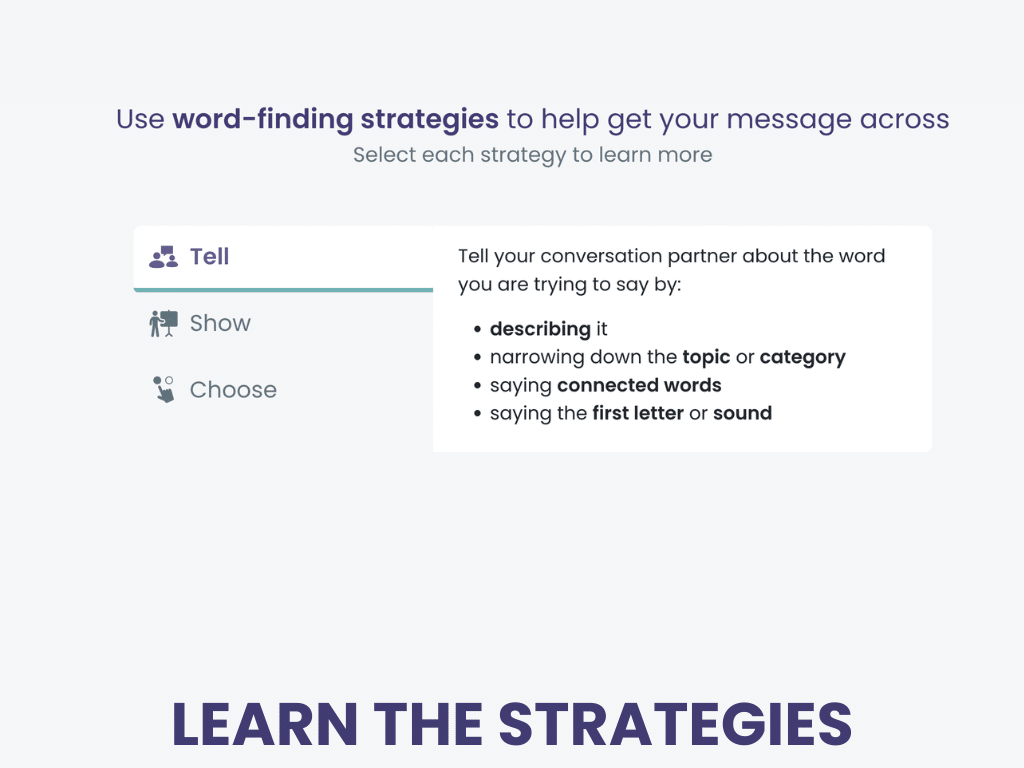
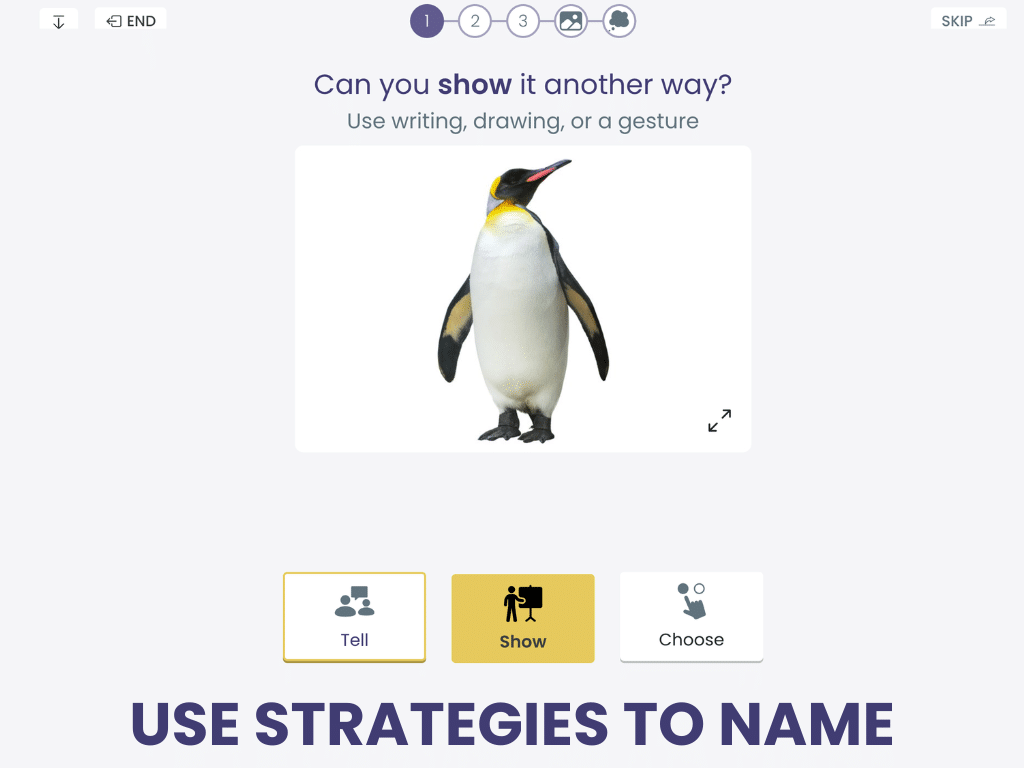
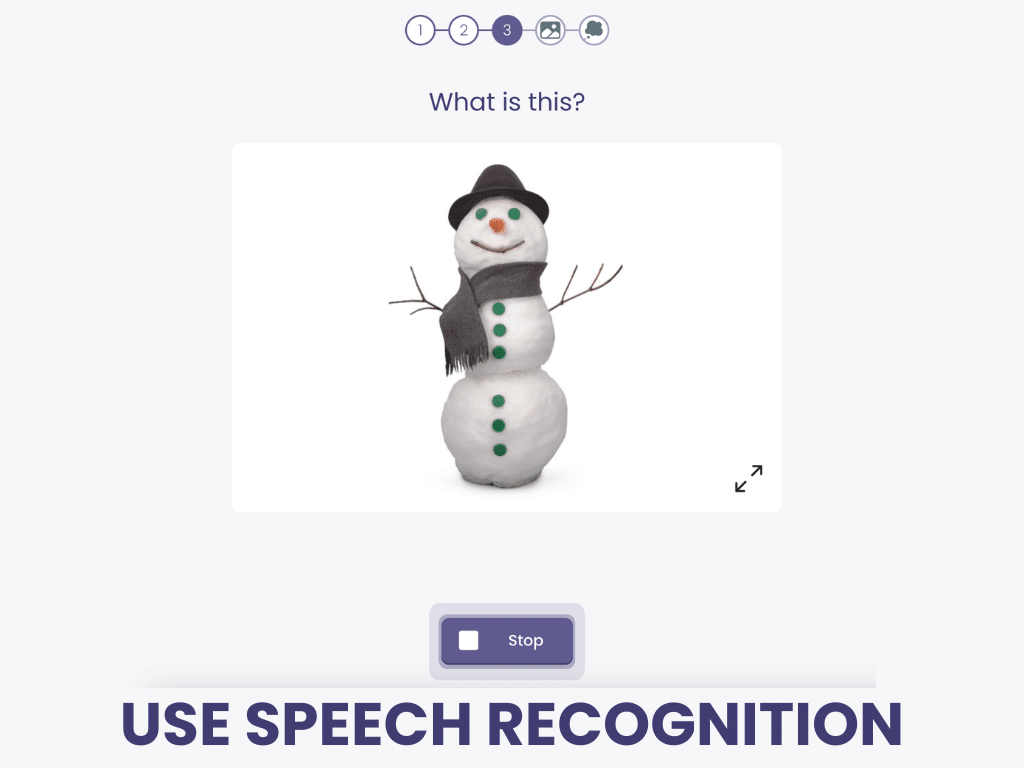
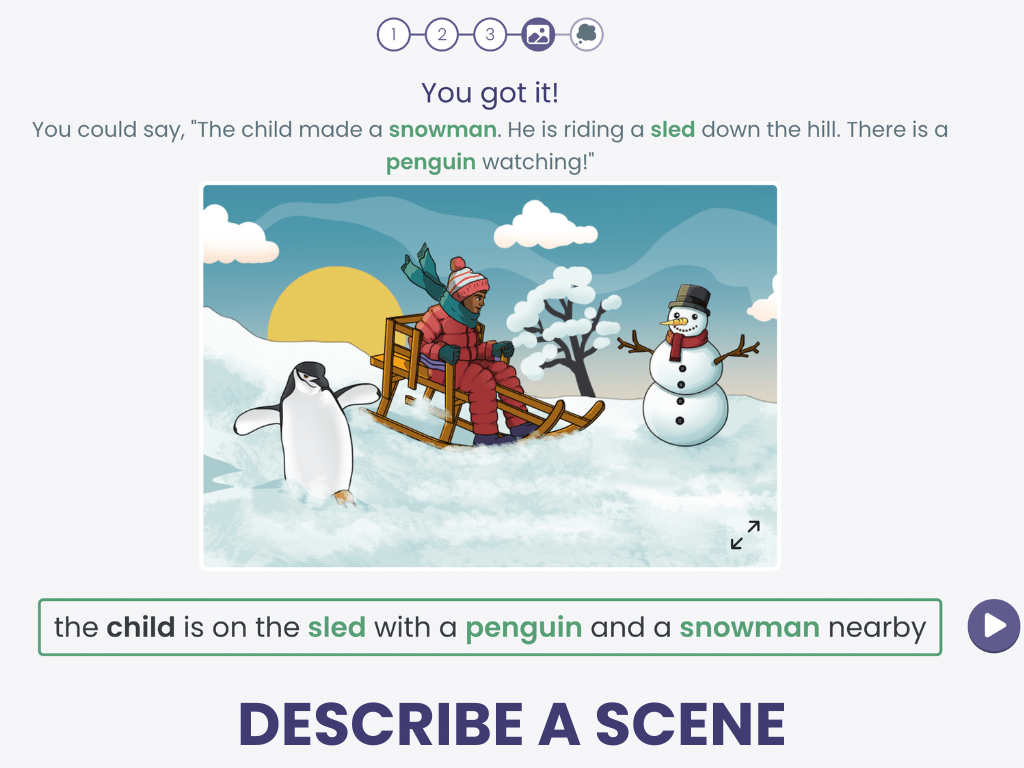
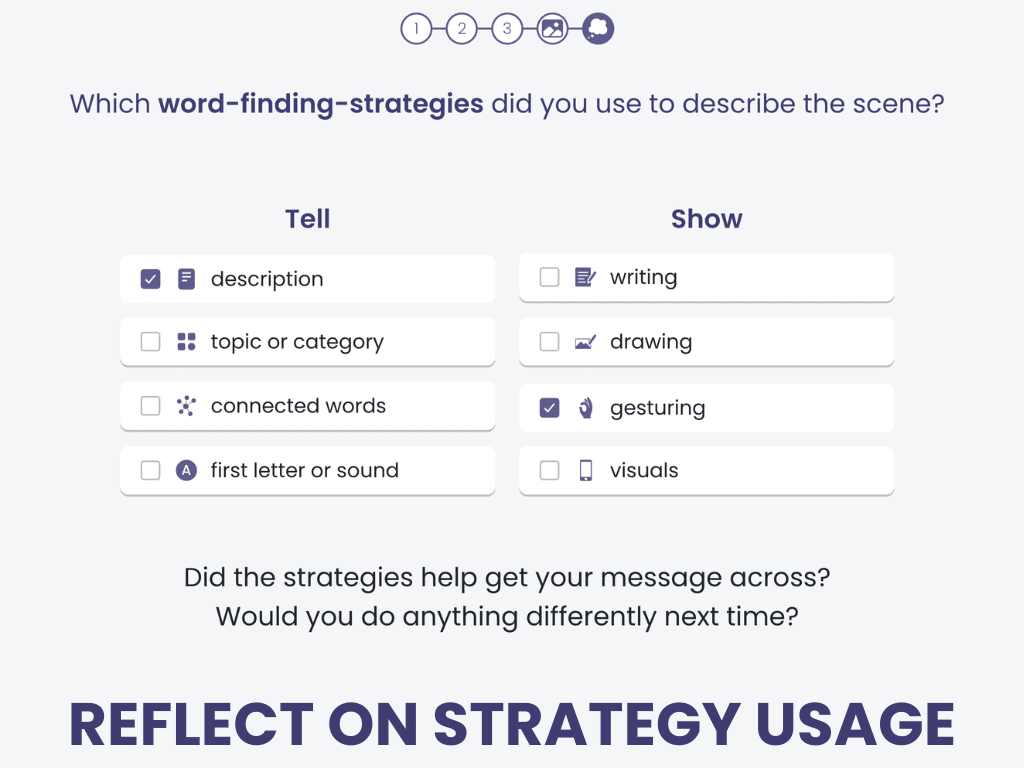
Then describe a scene that incorporates the 3 words for sentence-level retrieval practice with feedback. Finally, reflect on strategy use.
Sign up today for a risk-free 21-day trial of this must-have web-based therapy platform for SLPs.
6) Clinical Takeaways
We used many references to bring you this information, all linked where cited. We recommend these selected sources for a good overview:
- Word-retrieval therapy should be matched to the type of breakdown (semantic vs phonological).
- Semantic treatments (e.g., SFA, AbSANT) strengthen conceptual networks.
- Phonological treatments (e.g., PCA, PMT) target sound structure and phoneme access.
- Moving beyond single words, with approaches such as VNeST, ARCS, or narrative therapy, supports generalization to conversation.
- Compensatory strategies can help patients maintain communication when retrieval fails.
- Technology can help in providing sufficiently intensive therapy. The Virtual Rehab Center was built for this.
Anomia is a stubborn challenge for people with aphasia and cognitive impairments, but it doesn’t mean they can’t make progress and connect with others in meaningful ways. Knowing basic word-retrieval processes, error patterns to watch for, and evidence-based approaches can significantly impact effective communication. Technology can also help clinicians deliver the high-intensity practice needed for word-retrieval recovery, both in therapy sessions and at home.
Cite this article: Shahid, S. (2026, April). What SLPs Need to Know: Anomia. Tactus Therapy. https://tactustherapy.com/speech-therapy-anomia-word-finding-retrieval-aphasia